
Pruning is one of the most important things that you can do for your New England trees. When you properly prune your trees, you take important steps toward preserving their beauty, health, and overall longevity.
While proper tree pruning is an excellent practice, every once in a while we still see “topped trees,” which is an outdated and overall bad tree pruning practice.
In this article, we’ll share everything you ought to know about tree topping and why it needs to be avoided.
Jump To:
What is Tree Topping?
Why New England Homeowners Might Consider Tree Topping
The Myth of Tree Topping Benefits
What Happens to Topped Trees Over Time?
The True Cost of Tree Topping
Proper Tree Trimming in New England
Tree Topping FAQs
Choosing a Qualified Tree Pruning Service in the Seacoast Region
What is Tree Topping?
If you’ve ever seen a tree basically lopped in half, this is tree topping. This is an outdated practice that removes large portions or even the entire canopy. It has also been referred to as hat racking trees or heading trees.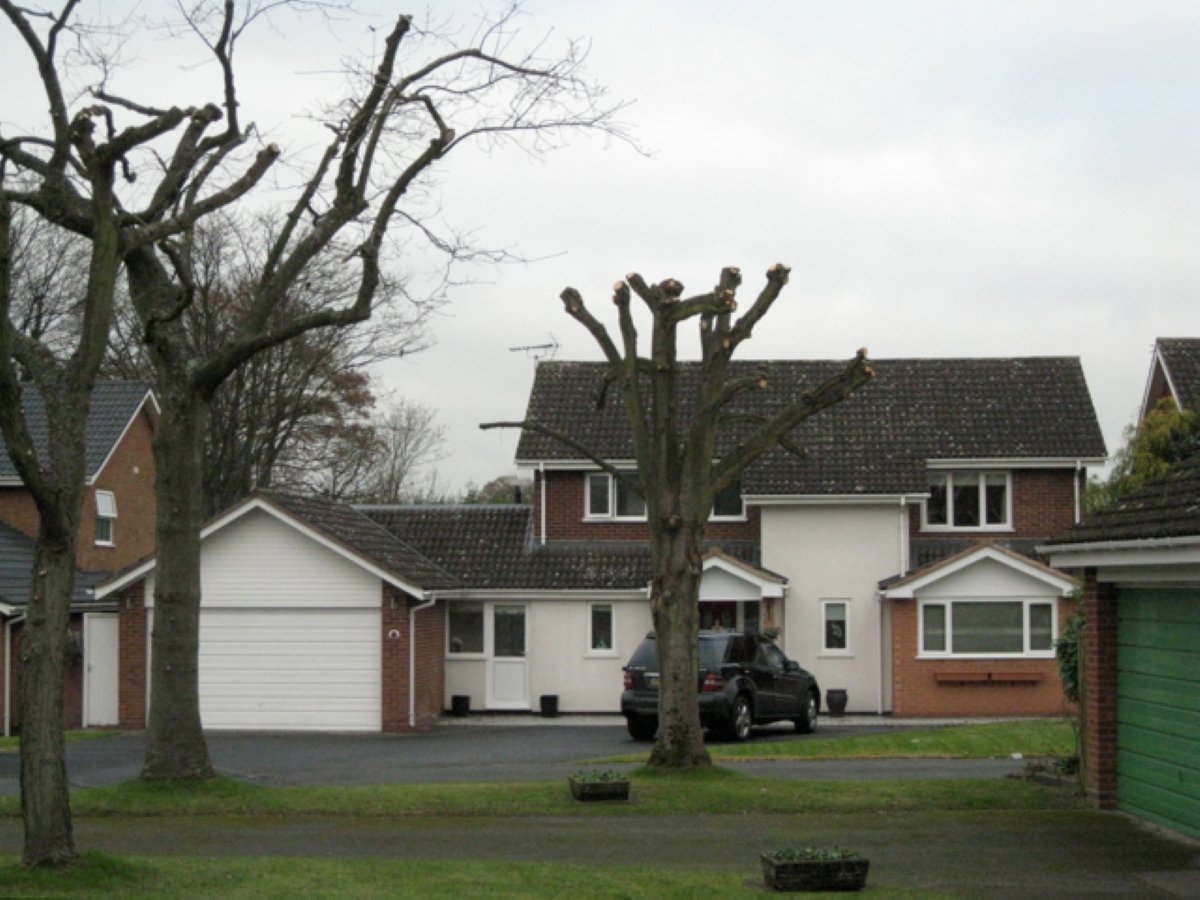
This bad tree pruning practice has been performed for well over a century and was popular in the 1960s and 70s during periods of rapid suburban development. During this time many neighborhoods had fast-growing shade trees installed that quickly became too big for the spaces they were allotted.
While it was eventually determined that tree topping is a highly negative practice, it’s still done to this day. That’s because misconceptions about tree topping benefits still exist, particularly within companies that don’t have well-trained and Certified Arborists on staff.
Sometimes homeowners are also looking for quick solutions, which prompts them to do something dramatic, such as topping trees, a practice that can be so detrimental to a tree’s health.
Why New England Homeowners Might Consider Tree Topping
As we’ve mentioned, some of the reasons why homeowners might turn to tree topping is that they have misconceptions about it being an acceptable practice. They’re looking for immediate solutions for problems.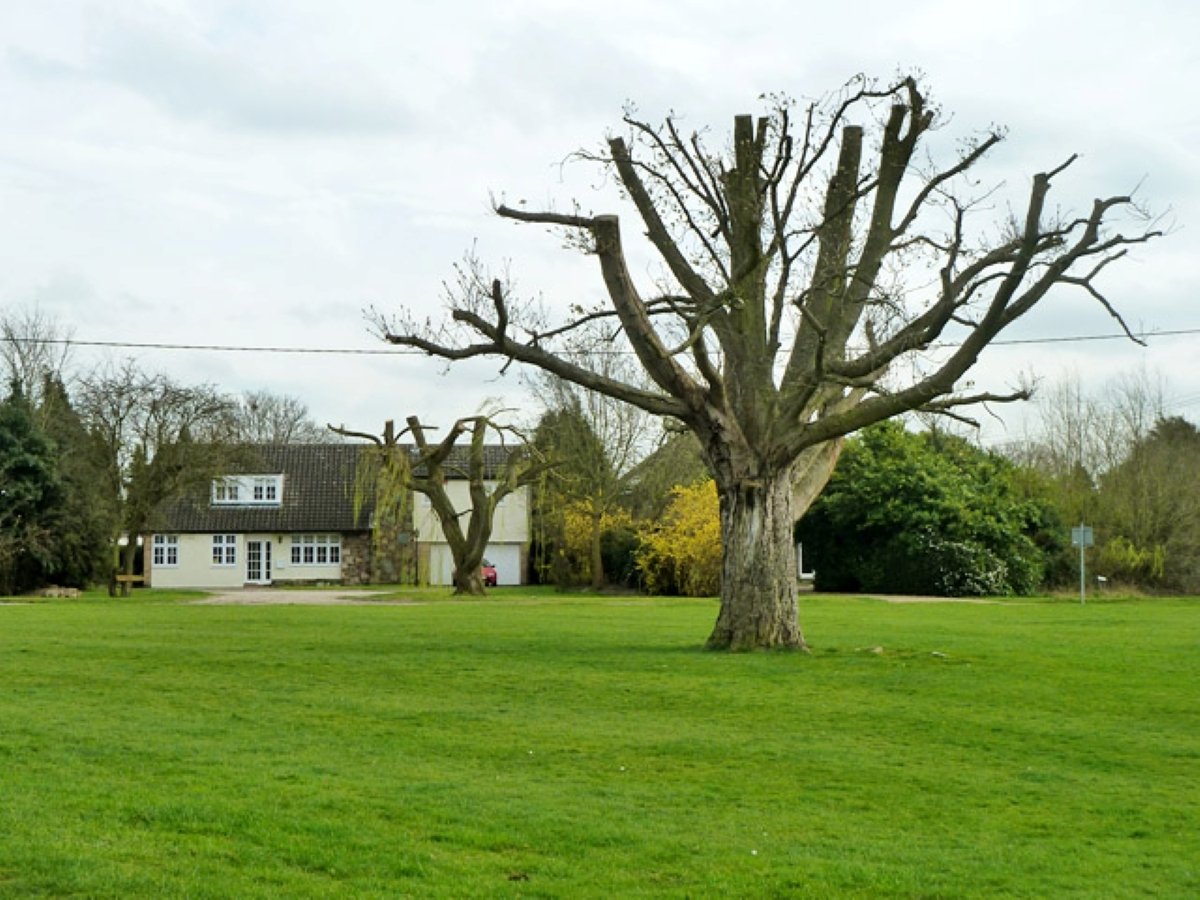
Tree topping does instantly decrease the height of the tree, so it is an immediate solution for a tree that has grown too tall. If the tree is causing problems with power lines, the roof, shade, or other concerns, homeowners might be looking for immediate action like this.
Unfortunately, the long-term ramifications of this poor practice can cause way more problems than it can potentially fix and should be avoided.
The Myth of Tree Topping Benefits
Back in the day, tree topping was promoted as a quick fix to control a tree’s size and to potentially even improve safety. But after decades of arboriculture research, the opposite has proven to be tree.
Many of the perceived tree topping benefits are completely false! In many cases, the opposite is actually true.
Here are some of the common myths:
MYTH: Tree topping makes a tree safer
REALITY: This is false, as it can actually make trees more dangerous. One of the reasons why people top trees is to immediately get rid of some height, which might be causing problems. But removing so much of the tree can actually stimulate new growth of weakly attached shoots. These shoots can grow rapidly but not strong. That makes them more at risk of breaking during storms. Instead of making trees safer, tree topping can make trees weaker…and therefore potentially more dangerous.
MYTH: Tree topping makes a tree smaller
REALITY: Tree topping can stimulate new growth and actually make a tree larger than it started! Trees are constantly trying to replace what has been lost. After topping, vigorous new growth is pushed.
MYTH: Tree topping expands a tree’s lifespan
REALITY: In truth, tree topping can shorten the lifespan and seriously harm the health of a tree. Cutting off such a large amount of the tree at once can be detrimental. It leaves the tree open to potential decay and disease.
MYTH: Tree topping reduces maintenance
REALITY: While it used to be believed that topped trees required less care, the opposite is actually true. Since tree topping pushes rapid new growth, people end up having to prune their trees more frequently over time. Tree topping actually increases maintenance, contrary to outdated beliefs.
What Happens to Topped Trees Over Time?
Tree topping can lead to major problems for your trees over time. Let’s look at some of the long-term impacts.
Weak Regrowth
In very little time at all, tree topping stimulates new growth. Within a matter of months, topped trees start to produce dozens of fast-growing shoots where the cuts were made. Unfortunately, this new growth is weak and more prone to breakage during storms, wind, or under the weight of snow or ice.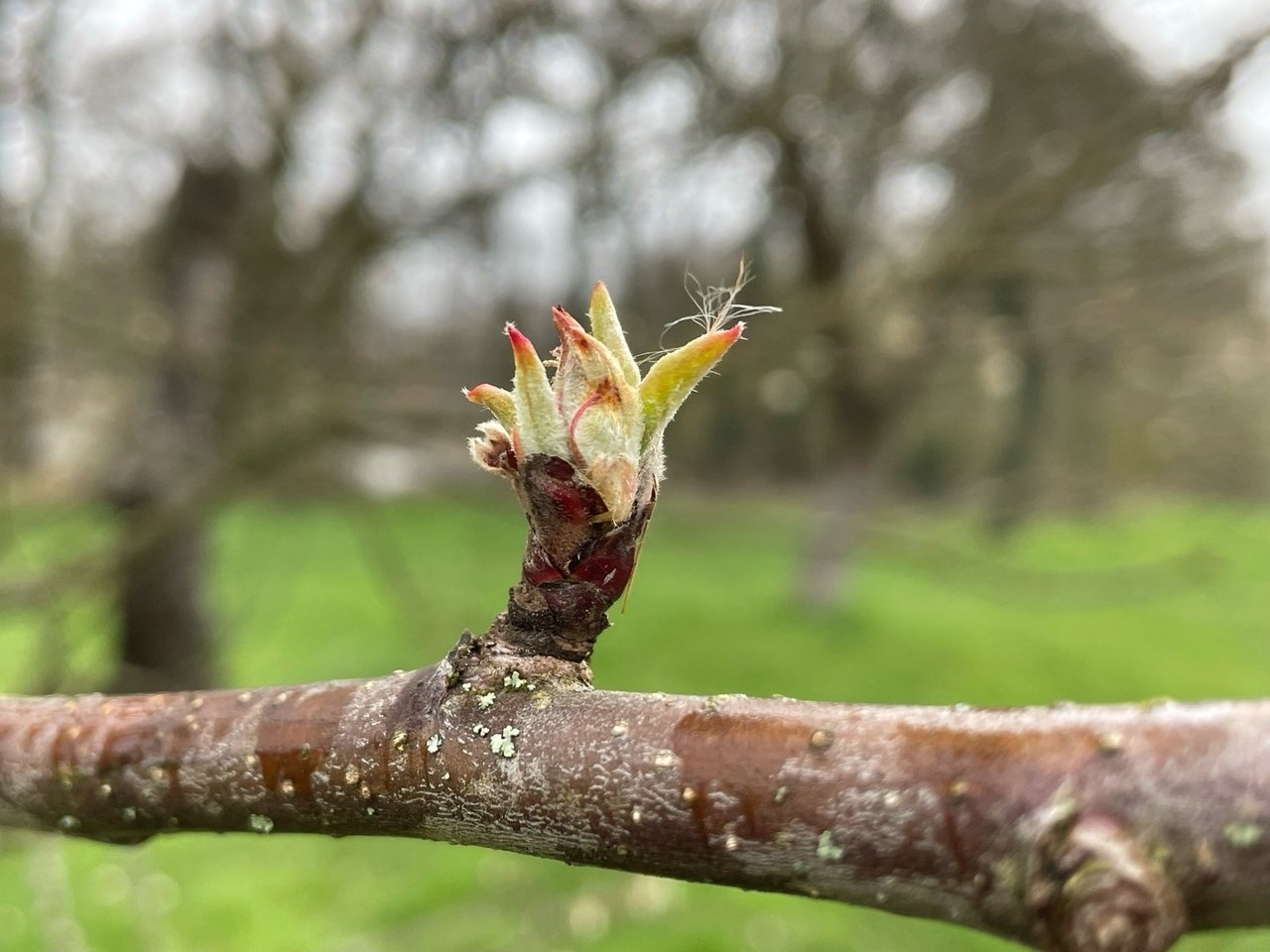
Risk of Decay and Disease
Tree topping leaves behind large wounds that often struggle to heal. This can leave a tree subject to decay and disease. This will further weaken the tree’s structure over time.
Unfortunately, decay tends to develop inside of the trunk and might not be visible until severe deterioration has occurred.
Negative Impact on Photosynthesis
Topping a tree and removing so much of its foliage severely (or even completely) impacts the tree’s ability to perform photosynthesis. Since this is the tree’s way of producing food, this can be detrimental. While the tree will use stored energy to push new growth, taking away its ability to perform photosynthesis can definitely lead to chronic stress.
The True Cost of Tree Topping
While it may seem like a quick fix to your problems and an inexpensive way to reduce your tree’s size, the long-term costs can be much higher than simply performing proper pruning in the first place.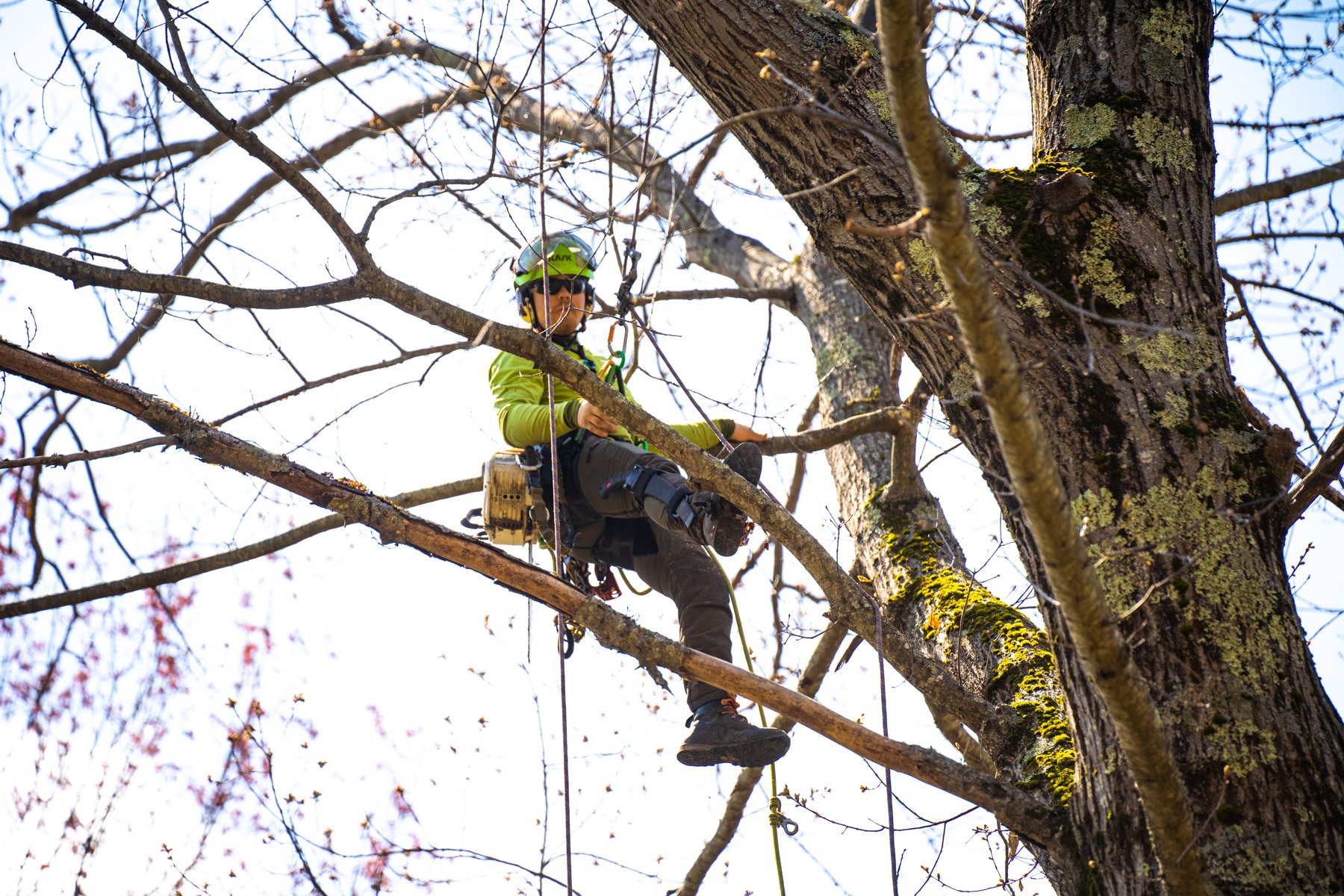
There are various potential hidden costs associated with tree topping. You could experience:
-
Repeated pruning costs as new growth appears rapidly
-
Potential property damage due to weakened branches
-
Reduced property value as topped trees are problematic and ugly
-
Premature tree removal if the tree ultimately fails
Proper Tree Trimming in New England
Proper tree pruning involves the careful selection of branches that are selectively removed from the tree. These are typically branches which are diseased, dying, or decaying.
Removing these unwanted branches helps the tree to put its energy toward the rest of the tree and improves its health as a whole.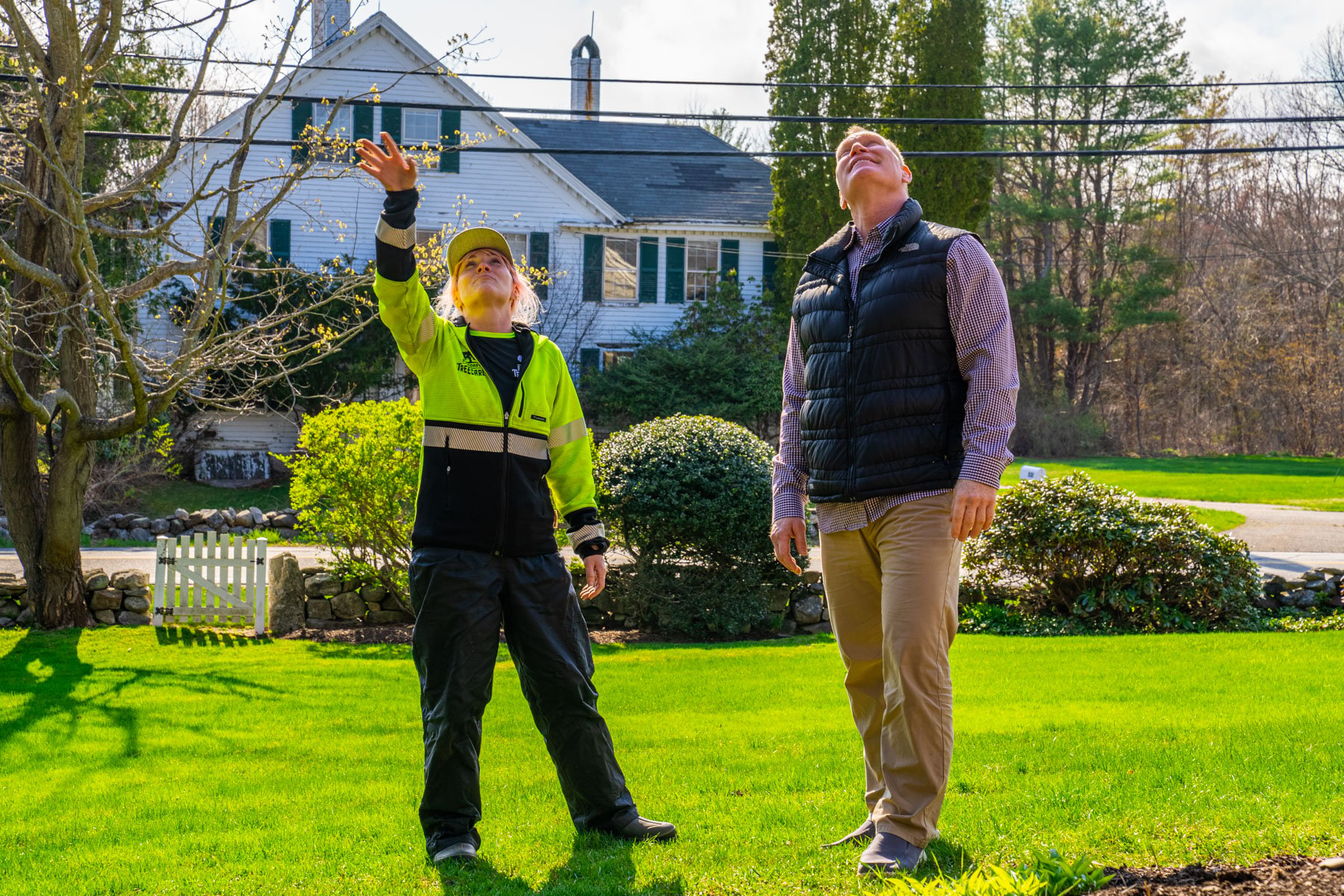
There are even different tree pruning techniques that can be used depending on what’s going on with your trees (as well as your goals for them). These include crown cleaning, crown thinning, crown raising, and crown reduction.
When your tree is properly pruned, you’re likely to notice an improvement in its health. Good tree pruning can lead to tree longevity and overall improved performance. But the key is that this service is done right.
While there are certainly a lot of aesthetic benefits to pruning, it will help keep your trees healthy. Since you want your trees to live as long as possible, you’ll want to make sure that you keep up with regular pruning.
Tree Topping FAQs
What does it mean to top a tree?
The practice of tree topping means removing the entire top of the tree, or at least the majority of the tallest branches. It has also been called hat racking a tree.
Why is tree topping bad?
Tree topping is bad because it removes a significant portion of the canopy which ultimately causes significant stress and weakens the structure.
Does topping trees kill them?
Over time, topping trees can kill them, though it won’t happen immediately. Tree topping can expose the tree to disease and decay. It can also have a negative impact on the natural photosynthesis process. It’s a practice that can shorten a tree’s life span.
Why do some tree services practice tree topping if it’s so bad?
Some companies without Certified Arborists on staff might still top trees because it’s something they’ve always done. If homeowners specifically request it and are willing to pay, companies might not care about the long-term health of the tree over a quick way to make money.
What are arborist-recommended alternatives to tree topping?
Recommended alternatives involve proper pruning practices like crown cleaning, crown thinning, crown raising, and crown reduction. These techniques can manage the size and health of the tree while still preserving its natural structure.
Choosing a Qualified Tree Pruning Service in the Seacoast Region
Selecting tree pruning services in Southern NH, Northeastern MA, and Southern ME is important when it comes to getting the best results.
Ultimately, you want to find a company that has your best interest at heart and that you can build a long-term relationship with. Your property requires ongoing care and it’d be great to partner with a company that you truly trust.
At Seacoast Tree Care, we take the work that we do quite seriously. We started our business with the belief that we are here to care for and protect trees whenever we can. However, when they do have to come down, it’s absolutely critical that it’s done right.
We are committed to preserving trees in the New England area by performing vital services like tree pruning, the right way. With Certified Arborists on staff, we aren’t performing outdated practices and aren’t out to just make a quick buck at your property’s expense. We’re here to do things the right way so that you can enjoy your trees for many years to come.
Ready for safer and healthier trees at your Southern NH, Maine, or Northeastern Massachusetts home? Request your consultation and get quote for tree pruning services. We service properties in and around Stratham, NH, Kittery, ME, and Haverhill, MA. By making a wise choice, you’ll know your trees are in good hands.

Image Sources: topped trees in a field, topped tree by a home, new bud growth