
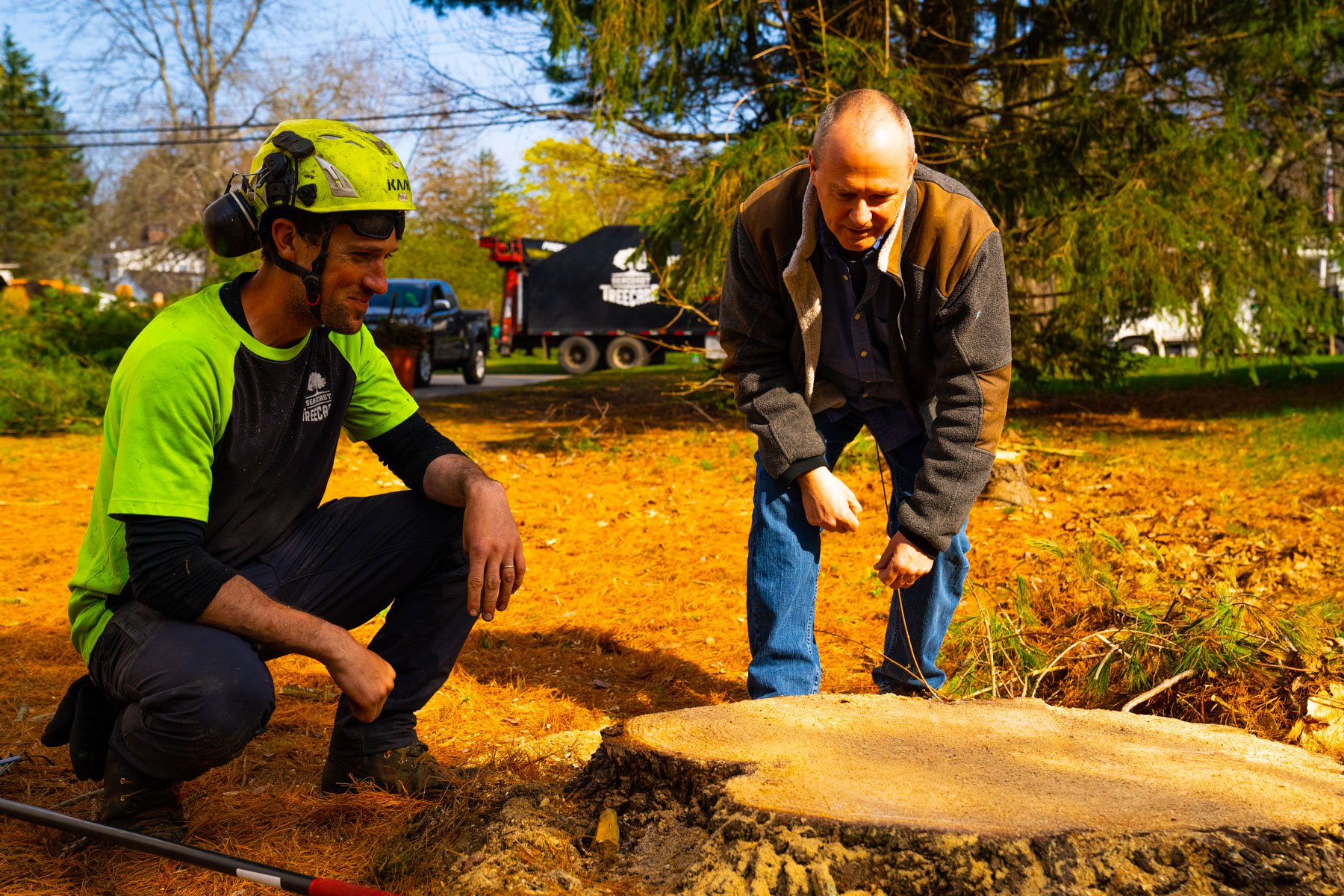
Is Tree Stump Removal Necessary? What Really Happens If You Leave a Stump Behind
If you’re having a tree removed, you might be wondering: is tree stump removal really necessary?
After all, once the tree is gone, the stump doesn’t seem like a big deal. It’s out of the way, and removing it is an added cost. So is it worth it?
The truth is, leaving a tree stump behind can lead to problems that aren’t always obvious at first. In this article, we’ll walk through exactly why tree stump removal matters, what can happen if you leave a stump in the ground, and what your best next step is.
If you live in New England, where storms, dense tree coverage, and seasonal changes are common, leaving a stump behind can lead to even more noticeable issues over time.
Why Remove a Tree Stump?
A leftover stump might not seem urgent, but over time it can create safety risks, attract pests, and impact how your property looks and functions.
Here are three important reasons to consider removing it.
1. A Tree Stump Will Rot and Attract Pests
Once a tree is cut down, the stump begins to decay. That process might take years, but it starts almost immediately.
As the wood softens, it becomes an ideal environment for pests like:
- Carpenter ants
- Termites
- Beetles and other wood-boring insects
Rotting wood is easier for these pests to consume, which makes your stump an attractive place to settle.
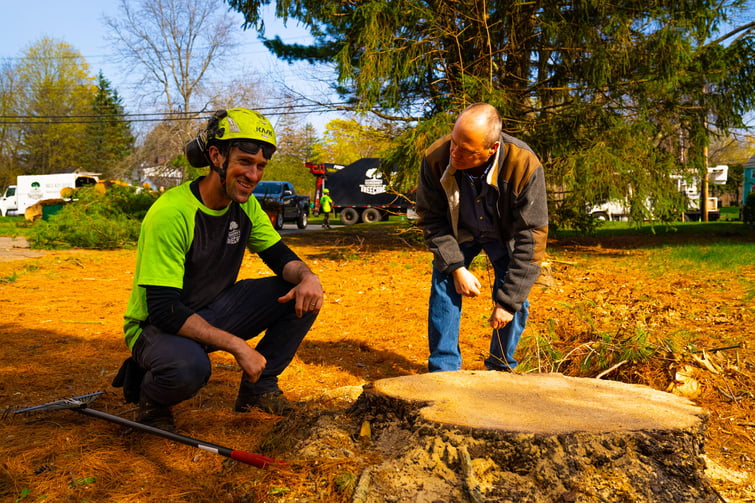
The concern isn’t just the stump itself. Over time, these pests can move beyond it and into other areas of your property—including nearby trees, shrubs, or even your home.
A decaying stump can also harbor fungi and disease, which may spread to healthy plants in your landscape.
In New England’s climate, moisture and humidity can accelerate decay, making stumps even more attractive to insects and fungal growth.
Bottom line: Leaving a stump behind can introduce problems that are much harder—and more expensive—to deal with later.
2. Tree Stumps Create Safety and Maintenance Hazards
A stump might seem harmless, but it can quickly become a nuisance in everyday yard use.
It can:
- Get in the way when mowing
- Damage lawn equipment if hit
- Create a hidden trip-and-fall hazard
This is especially important if you have kids, pets, or guests regularly using your yard.
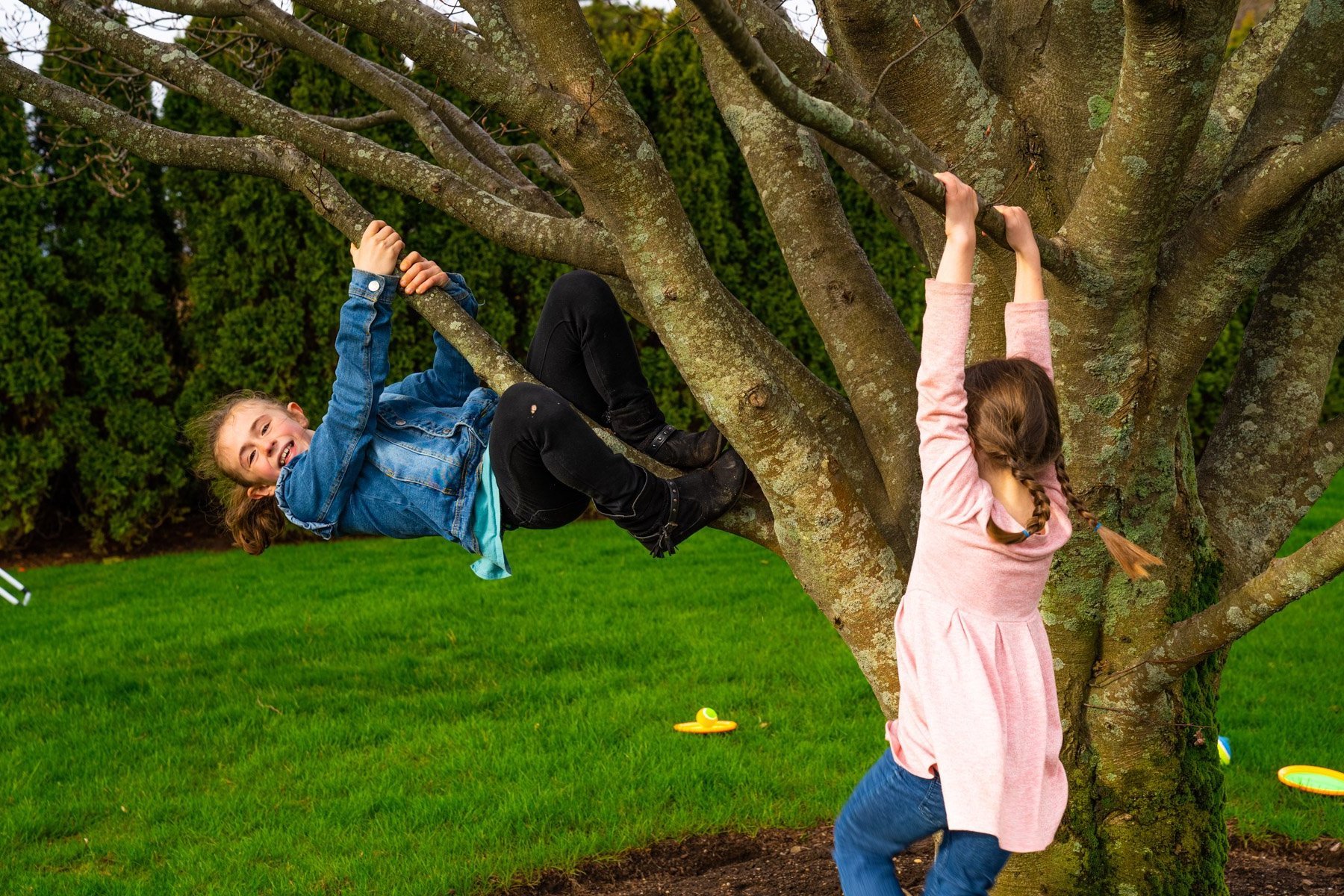
Even a low or partially ground stump can still be a problem. Grass and weeds can grow around it, making it harder to see and easier to trip over.
Removing the stump helps create a safer, more usable outdoor space.
3. Tree Stumps Hurt Your Yard’s Appearance and Value
A leftover stump can stand out in all the wrong ways.
Even if it hasn’t started to decay yet, it can:
- Make your yard look unfinished
- Reduce curb appeal
- Take up valuable space
Over time, as the stump breaks down, it often becomes darker, softer, and more visually unappealing.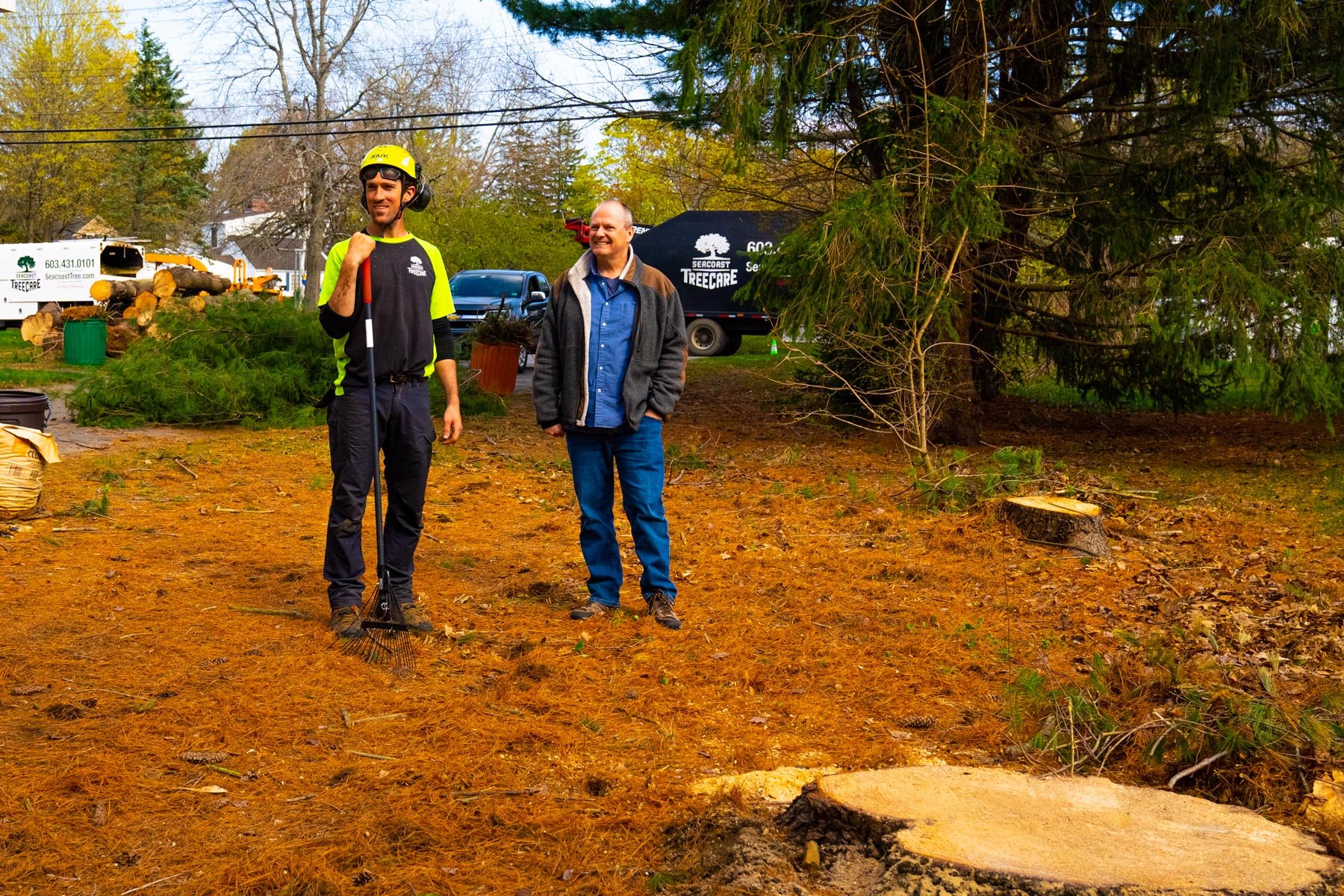
If you’re investing time and money into your landscape, leaving a stump behind works against that effort.
Removing it helps keep your yard clean, open, and visually appealing.
What Happens If You Leave a Tree Stump in the Ground?
If you decide not to remove a stump, here’s what you can expect over time:
- Months 1–12: The stump begins to dry and slowly decay
- 1–3 years: Insects and fungi become more active
- 3+ years: The stump softens, breaks apart, and may sink unevenly into the ground
During this process, you may also notice:
- Increased pest activity
- Mushrooms or fungal growth
- New shoots growing from the stump or roots
While it will eventually decompose, it’s rarely a clean or problem-free process.
Stump Grinding vs. Stump Removal: What’s the Difference?
If you’re considering your options, it’s helpful to understand the two main approaches:
Stump Grinding
-
Grinds the stump down below ground level
-
Leaves roots in place
-
Faster and more cost-effective
Full Stump Removal
-
Removes both the stump and root system
-
More thorough but more labor-intensive
In most cases, stump grinding is sufficient for eliminating the visible stump and preventing most issues. A professional can help you decide which option is best based on your property and goals.
How Much Does Tree Stump Removal Cost?
Stump removal is a separate service from tree removal and requires specialized equipment.
Costs can vary depending on:
-
Size of the stump
-
Location and accessibility
-
Root system complexity
In many cases, stump removal starts around $250 and increases from there.
Compared to the overall cost of tree removal—and the potential issues a stump can cause—it’s often a worthwhile investment.
Can You Remove a Tree Stump Yourself?
While DIY stump removal is possible, it’s usually not recommended.
Removing a stump requires:
-
Heavy-duty equipment
-
Knowledge of underground root systems
-
Safe handling of machinery
Attempting it on your own can be time-consuming, physically demanding, and potentially dangerous.
Working with a professional helps ensure the job is done efficiently and safely.
Tree Stump Removal FAQs
Is it okay to leave a tree stump in the ground?
It’s possible, but it often leads to pest issues, safety hazards, and reduced curb appeal over time.
Do tree stumps attract termites?
Yes. As the wood decays, it becomes a food source for termites and other insects.
Will a tree stump grow back?
In some cases, yes. Certain species can sprout new growth from the remaining roots.
How long does it take for a stump to rot?
It can take several years, depending on the size and conditions.
Is stump grinding enough?
For most situations, stump grinding is an effective and efficient solution.
Tree Stump Removal in New Hampshire, Massachusetts, and Maine
If you’re planning tree removal, it’s worth thinking ahead about the stump as well.
At Seacoast Tree Care, you can take care of both at the same time—saving yourself the hassle of dealing with problems later.
With the right equipment, training, and experience, stump removal can be handled safely and efficiently so you can enjoy a cleaner, safer yard.
If you’re ready to get rid of a tree stump, request a consultation and get a clear, no-obligation quote for your property.
