

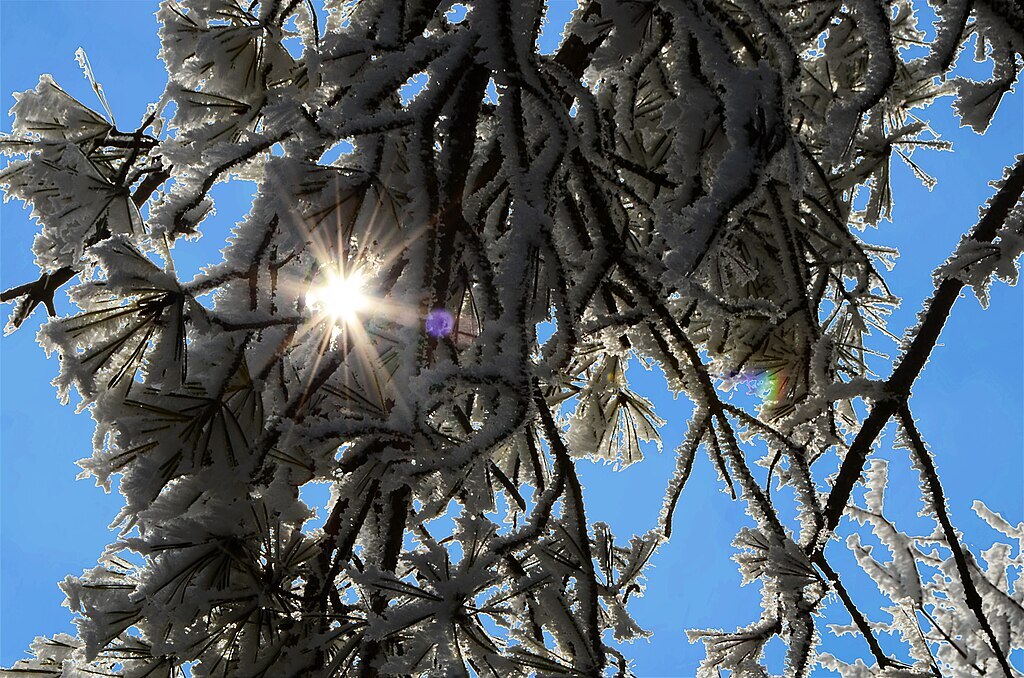
New England’s harsh winter conditions - heavy snowfall, ice storms, and high winds - can be a recipe for winter damage to trees. While it is true that many species are inherently resilient to the cold climate (having naturally adapted), even the strongest trees have a breaking point (literally)!
You do not want any tree damage during winter months to lead to hazardous conditions or liabilities.
In this article, we will explore how tree damage during winter can sometimes be avoided with preventative steps. However, not all damage is preventable and there are times when you’ll need to take reactive action to damage.
Understanding what to expect can help set you up for success.
Jump to:
Common Types of Winter Tree Damage
How to Protect Trees in the Winter in New England
Choosing Tree Care in Southern NH, Northeastern Massachusetts, and Southern Maine
Common Types of Winter Tree Damage
Tree damage during the winter can show up in different ways. Let’s look at some of the most common forms of winter tree damage.
Freeze Damage to Trees
A common form of freeze damage to trees is frost cracking. Frost cracks can happen when temperatures dip dramatically, causing the outer wood layer to contract more quickly than the inner wood layer, leading to cracking. When this occurs, it can actually sound like a loud pop as the bark splits open.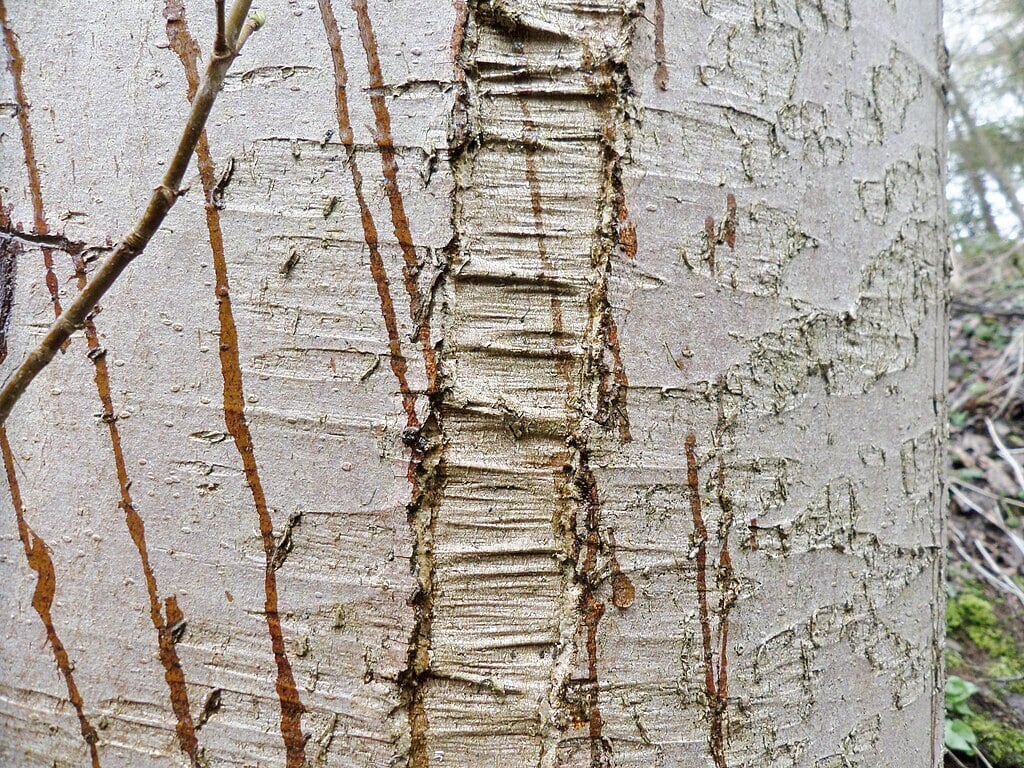
While these frost cracks can heal, the tree will be more prone to them in the future. It can also be a weak spot where disease or pests can enter.
Frost damage to trees can also occur during early frosts, while foliage is still in bloom. Early frost can cause leaves or flowers to wilt, brown, and potentially die. Pushing new growth at the wrong time can also lead to unwanted frost damage. This is why proper pruning timing of certain species is important.
Sunscald
Another common form of winter tree damage is sunscald. On sunny days, the bark facing the sun can warm up, causing the cells to come out of dormancy. Then, when temperatures suddenly drop again, these active cells can become damaged. This might show up as sunken, cracked, or dried-out areas of dead bark.
Broken Limbs
Trees in winter are also subject to lots of snowfall, ice pile-up, and high winds. This can lead to broken limbs. Tree limbs can only handle so much extra weight and heavy snowfall or ice build-up can put too much pressure on the tree. Limbs that might already be structurally weakened are at more risk of breaking due to snow, ice, or wind.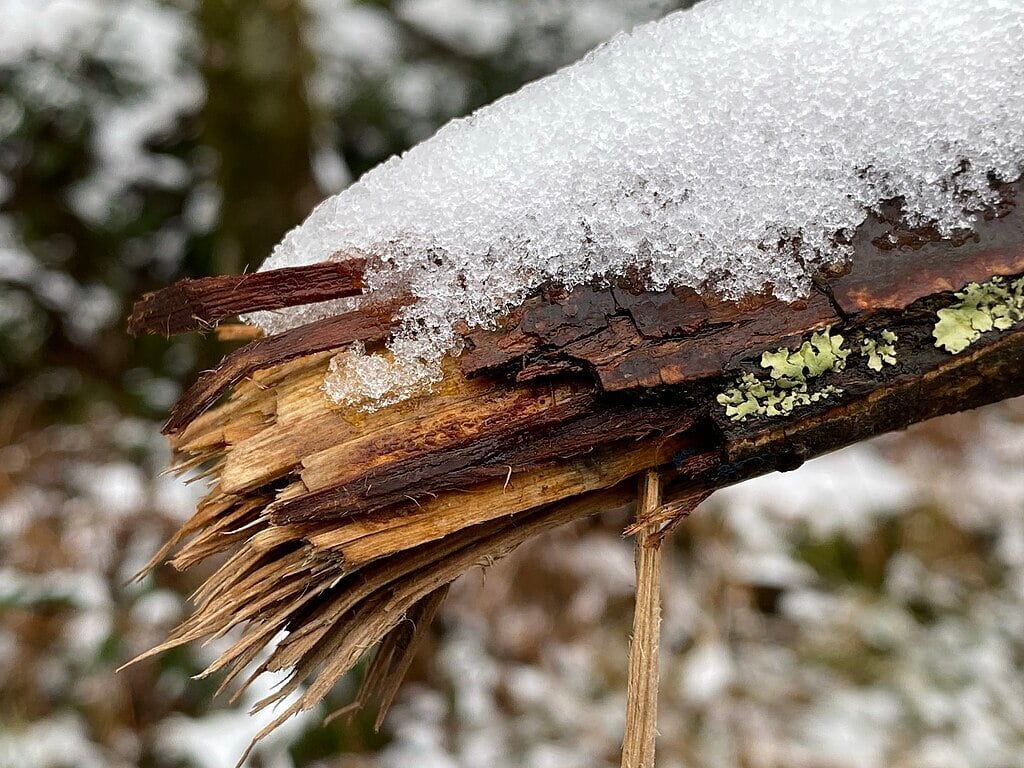
Plow and Deicing Damage
The products and practices used to keep roadways safe can also lead to winter tree damage.
Smaller shrubs by the road or your driveway run the risk of getting buried if care is not taken to avoid them. The weight of snow in a snowbank can be significant and you don’t want it piled up against one of your trees. Talk to snow plow companies about this ahead of time so that a better plan can be made for snow pile up.
The same goes for any deicing products used. While these can work great to quickly melt snow and ice, many of these products are harmful to the landscape. Inquire about plant-friendly de-icing products if you’re having your driveway or walkways treated near your landscape.
Foliage Desiccation (“Winter Burn”)
Certain trees can be more susceptible to the negative effects of the cold. Evergreen trees and shrubs, for instance, can really struggle when the ground freezes.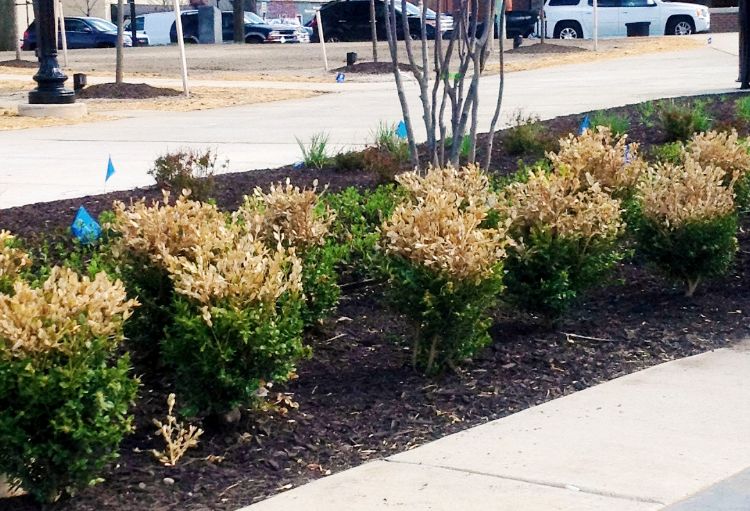
During this time the roots can no longer take in water and the plants will start to use the water they’ve already stored. This can lead to foliage desiccation, also sometimes referred to as “winter burn.”
How to Protect Trees in the Winter in New England
There are several steps that you can take to prevent winter damage to trees. Here are our prevention tips.
#1: Be Proactive With Pruning
Structural pruning is one of the best ways you can prepare for the winter season and protect trees from snow, ice, and wind damage. With structural pruning, you can make sure defects or weak branches are removed so that they don’t pose extra risk when piled with ice or snow.
Structural pruning will also help remove branches that might be at an increased risk of falling due to high winds. Trees can be shaped in a way that wind will be less likely to topple them.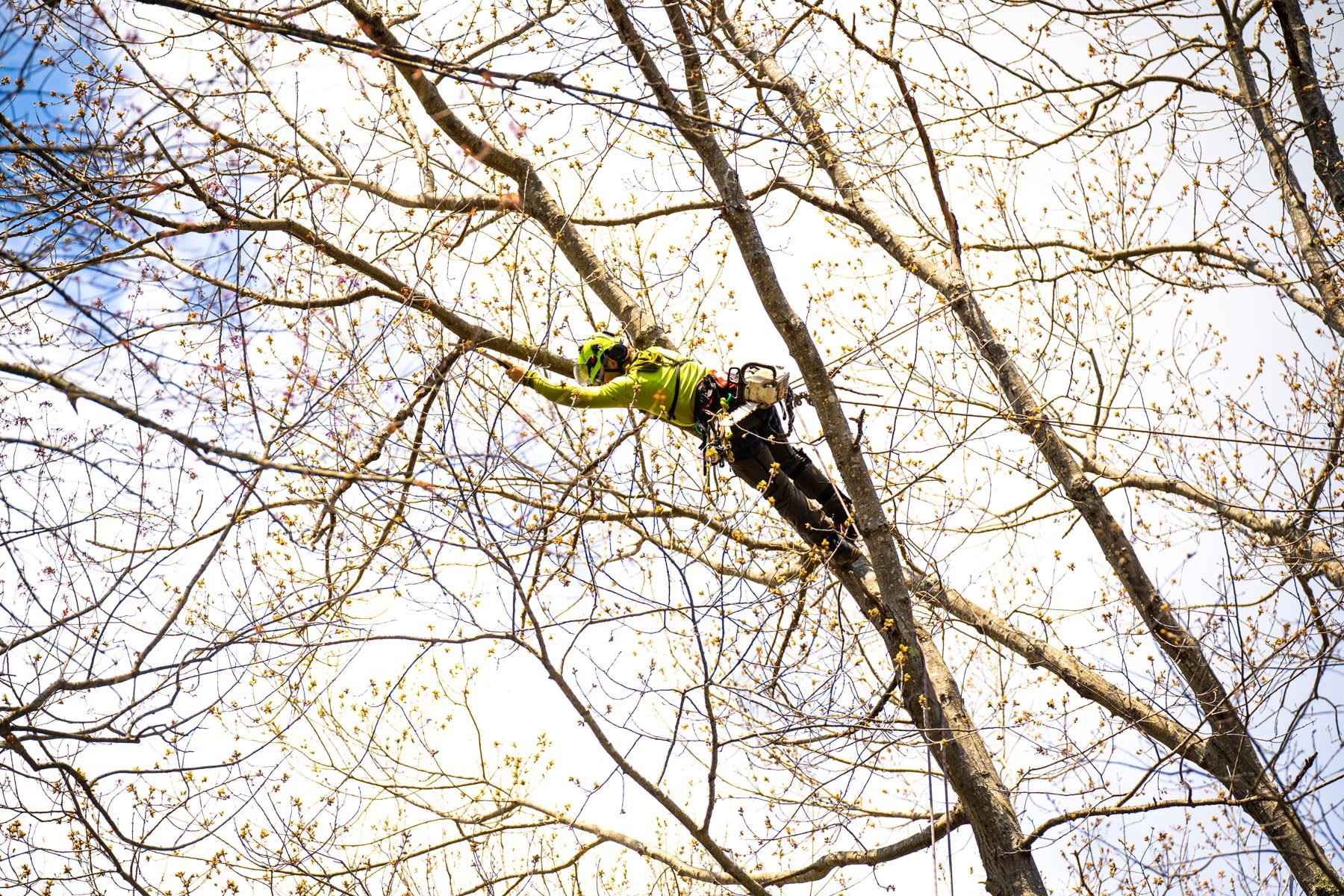
But that’s not to say that it's a 100-percent surefire way to prevent winter storm damage.
Sometimes storms are bad enough that there is no stopping damage that can occur.
Keep in mind that if you notice a coating of ice on any of your branches, the best thing to do is leave it alone. Do not shake branches to attempt to remove ice as this can do more harm than good. Your branches will be more likely to break in this condition. You’ll want to wait for that ice to melt.
#2: Apply an Anti-Desiccant Spray
An anti-desiccant spray can help prevent winter burn by providing a protective coating that keeps the leaves or needles from losing too much water through evaporation. This helps to save every last drop for the plant.
A Certified Arborist can apply an anti-desiccant spray to the trees and shrubs that can benefit from one. Often, this is going to benefit your evergreen trees and shrubs the most.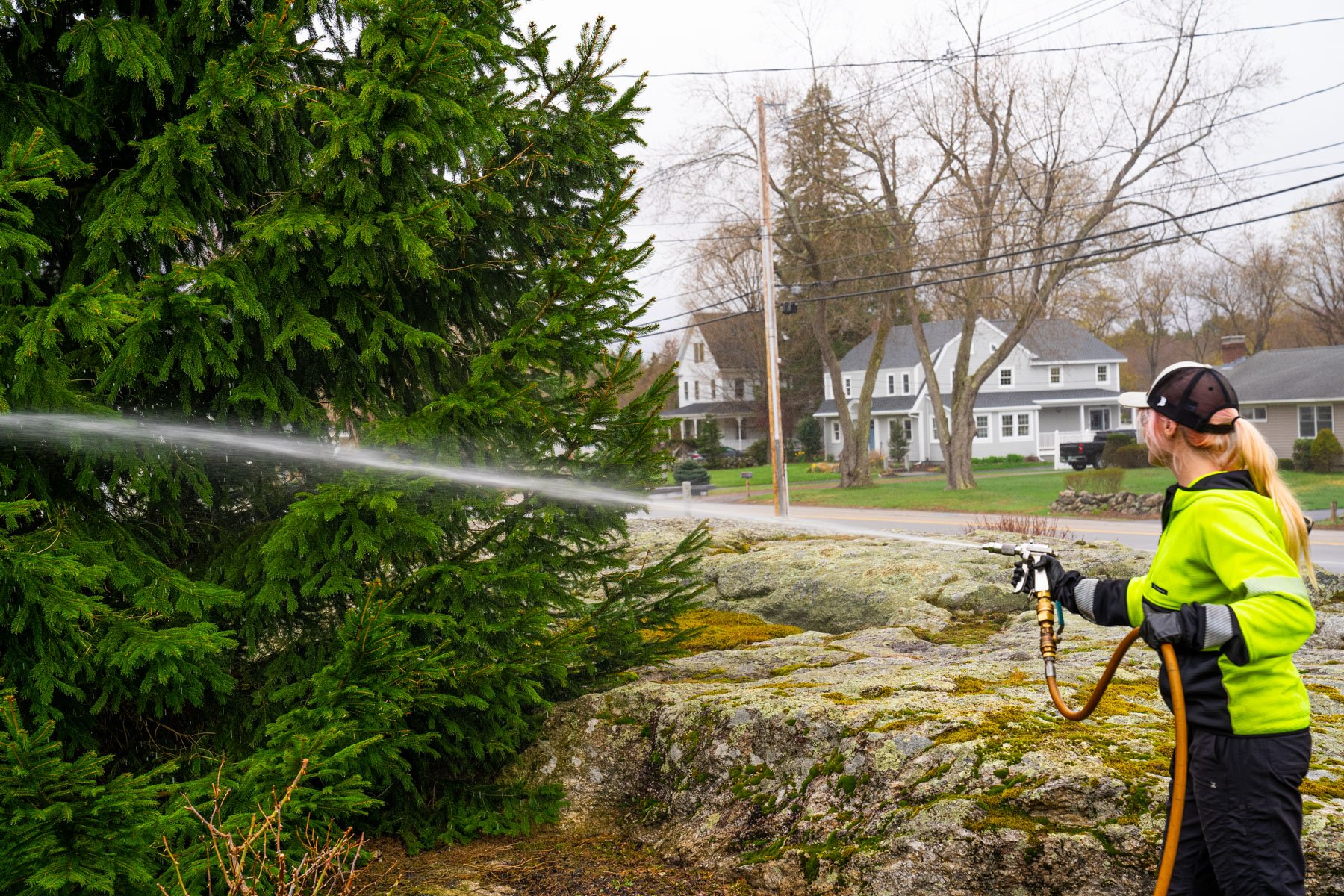
#3: Be Cautious With Snow Removal and Deicing Procedures
As we mentioned, snow removal (like plowing) and deicing products can end up damaging your trees if special care is not taken to prevent problems.
Talk to your snow removal provider about making sure that your trees and shrubs are protected. Sometimes this can mean marking borders and plants themselves with markers so that snow removal providers know where they’re located, even if fully covered by snow.
You can also ask about plant-friendly de-icing products if you’re having your driveway or walkways treated near your landscape.
#4: Use Cabling and Bracing if Needed
Some trees are going to be more susceptible to winter tree damage simply because of the way they are growing…or due to structural defects.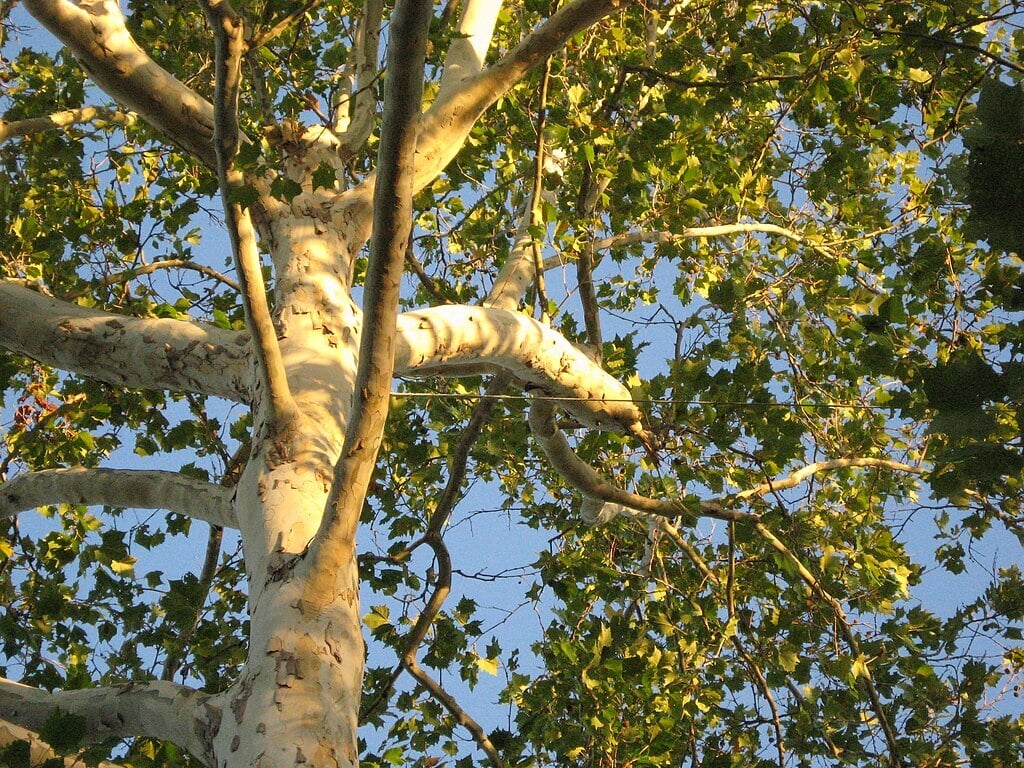
Tree cabling and bracing can be an effective solution that reduces the risk of trees falling.
When using tree cabling for added support, cables are installed within the canopy of the tree. With tree bracing, one or more steel rods is installed in the tree trunk or limbs to add support and reinforce weak spots.
A thorough evaluation by a certified arborist will help determine whether one or both of these services is warranted, particularly ahead of the winter season when your tree might experience additional weight and stress.
#5: Promote Overall Good Tree Health
In general, the stronger the health of your trees and shrubs, the better they’re going to be able to stand up to winter tree damage. This means things like proper watering in the fall - making sure that trees and shrubs are adequately watered going into and during winter.
The fresh application of mulch can also help protect roots from harsh conditions and help the tree to retain soil moisture and regulate its temperature.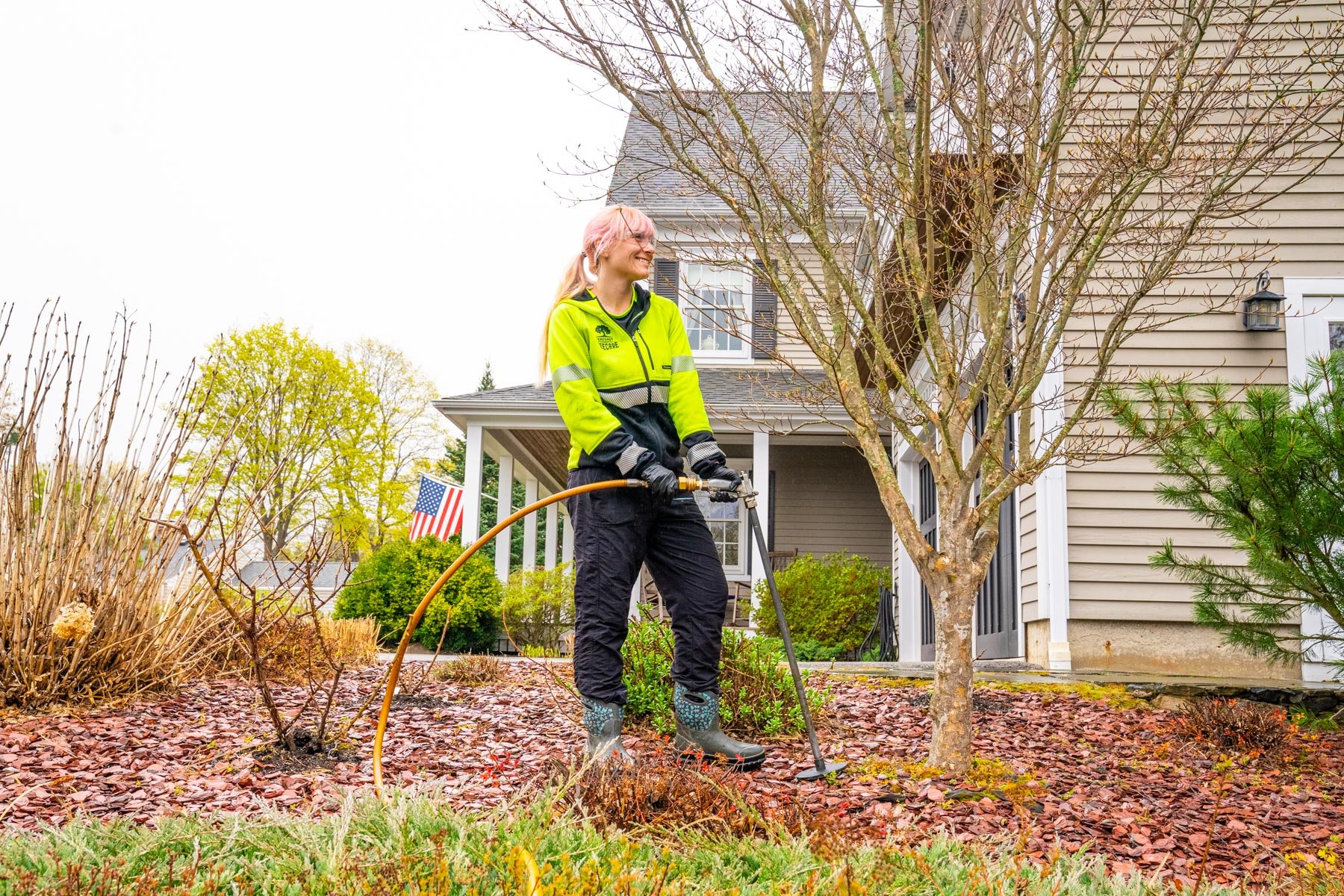
You also want to make sure that you fertilize and prune at the proper times to prevent pushing new growth that won’t have time to harden off before the winter. This will help prevent frost damage to trees.
Choosing Tree Care in Southern NH, Northeastern Massachusetts, and Southern Maine
We know that winter tree damage can feel stressful. But you can remove a lot of that stress and worry by partnering with a professional.
A tree care pro can help you make sure that you’re taking all the right preventative steps to protect your trees as well as helping you assess and repair damage after winter storms. The last thing that you want is for your trees to become a risk or a liability.
Unfortunately, winter storms are a key cause of tree damage. Hanging or warped limbs or a leaning tree can be a serious hazard.
If you’ve experienced storm damage, you might require limb or even tree removal to restore safety to your property.
At Seacoast Tree Care, we’re committed to preserving the health and beauty of trees in New Hampshire, Maine, and Massachusetts by performing vital services like tree pruning, tree removal, and general tree care throughout the year. We’re also here to offer helpful tree care tips so that you can be well-educated on what your trees need to be safer in the winter and every other season.
When you make a wise choice in tree services, you’ll ultimately take an important step in protecting the value of your property’s trees no matter what the season!
Ready for safer and healthier trees at your New Hampshire, Maine, or Massachusetts home? Request your consultation and get a free quote for tree pruning services. We service properties in and around Stratham, NH, Kittery, ME, and Haverhill, MA. By making a wise choice, you’ll know your trees are in good hands.

Image Sources: snowy branches, frost crack, broken limb, cabled tree