

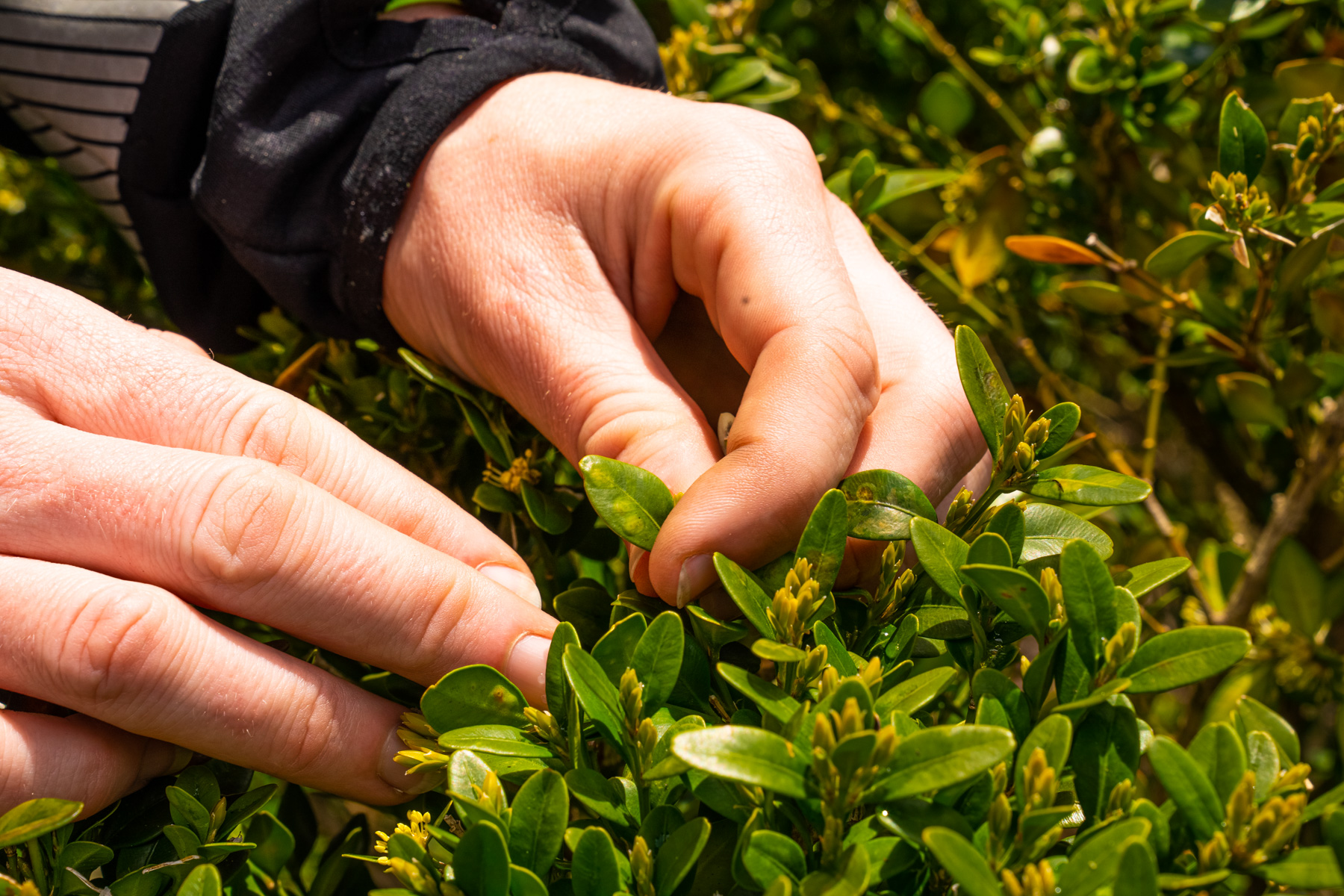
Tree pruning and disease are directly linked. While you can prevent certain diseases from growing and spreading with proper tree pruning, you can also make diseases worse with improper pruning.
Proper tree care is so important when it comes to the overall health and long-term protection of your landscape. That’s why we’re talking about this vital service and how to ensure it’s done right.
Jump to:
Understanding How Tree Pruning Promotes Health
Understanding How to Treat Tree Disease
Hiring a Professional for Proper Tree Care
FAQs About Tree Care
Choosing Tree Care in Southern NH, Northeastern MA, and Southern ME
Understanding How Tree Pruning Promotes Health
If you’re interested in how to improve tree health, then you’ll want to make sure to keep up with regular pruning. Tree pruning and tree health are irrevocably linked. This includes how a tree responds to potential pathogens.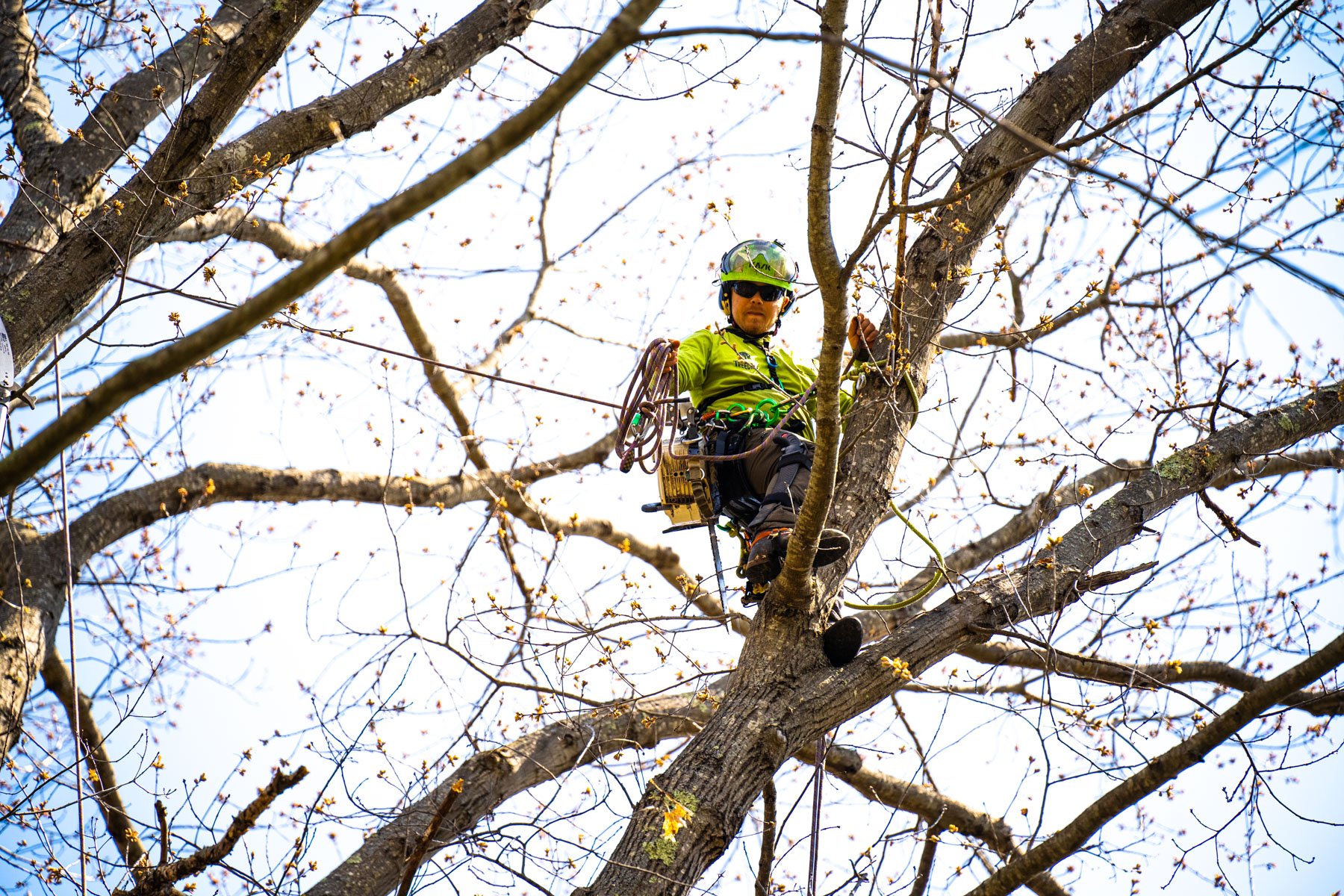
Most people have at least some sense of what tree pruning means. But we find that a lot of homeowners here in New England think it has entirely to do with aesthetics and do not realize the way it can have an impact on tree health.
While it’s true that regular pruning will have an aesthetic benefit, it’s important to recognize that pruning also has a significant health benefit to trees, including even evergreens.
Let’s look more closely at how tree pruning plays a vital role in the prevention and spread of tree disease, even serving as a tree disease treatment tool.
How Does Tree Pruning Prevent Disease
Proper tree pruning can prevent tree disease in the first place by improving air circulation and increasing the amount of sunlight that can penetrate through the canopy. This can reduce the humid conditions that encourage fungal infections to grow and spread in the first place.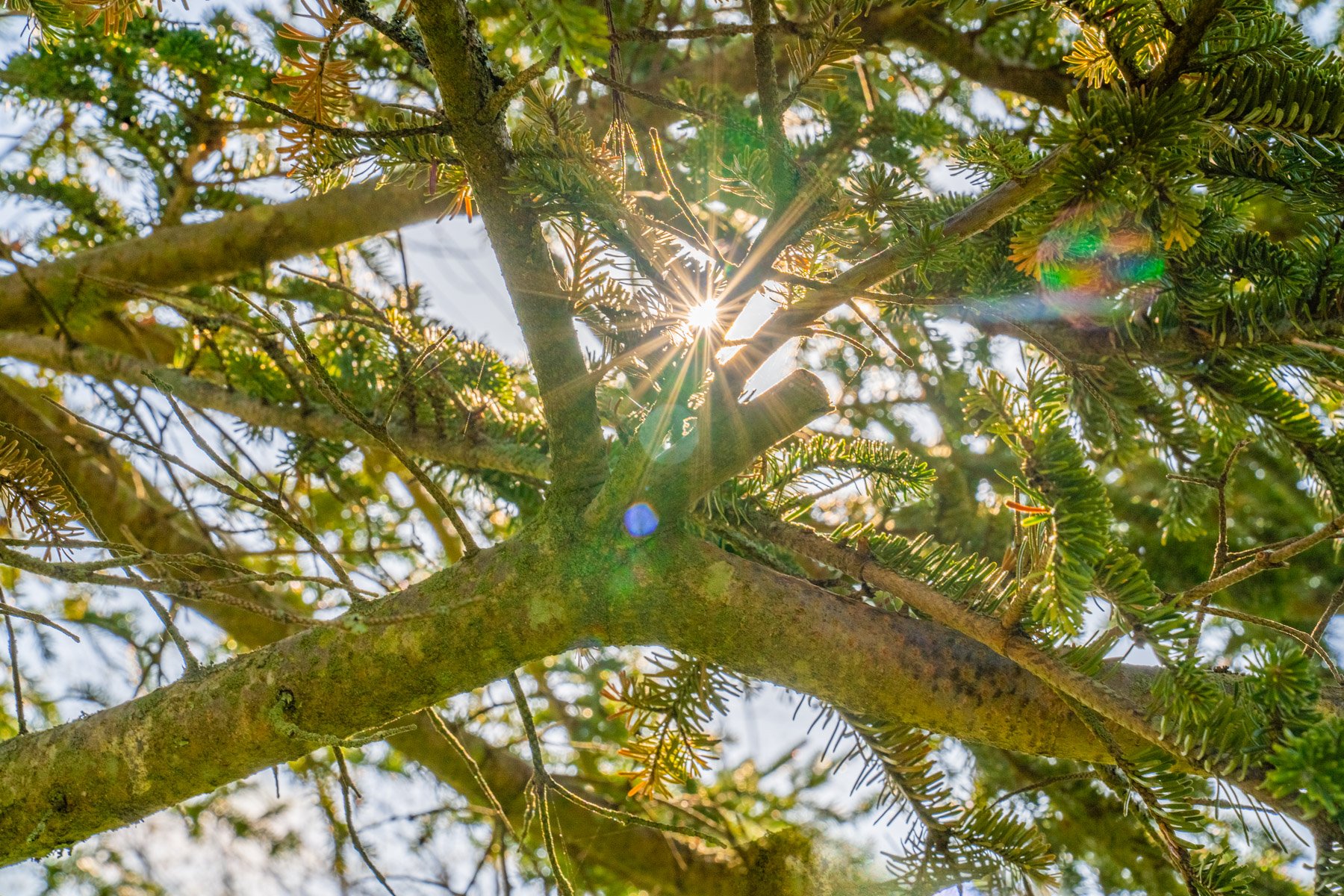
Removing dead branches also helps to prevent pests that prefer decaying wood. This also plays a role in preventing disease as many pests can carry pathogens into trees.
How Does Tree Pruning Manage Disease
Tree pruning also plays an important role in managing disease by removing diseased or decaying branches before pathogens can spread to additional healthy limbs. Strategically cutting infected branches (below the infection), can stop the spread of pathogens.
Since pruning also boosts overall tree health by allowing the tree to focus its energy on healthy limbs, the process makes the tree more stable. This further improves its ability to fight off disease.
How Does Improper Tree Pruning Contribute to Tree Disease
While proper pruning plays a vital role in preventing and managing disease, improper pruning can actually cause disease. That’s because poorly made pruning cuts create open wounds that act as entry points for pathogens.
It’s important that cuts are made properly (with the correct and properly maintained tools, in the way the branch is cut, and the location of the cut). It’s also critical that you aren’t removing an excessive amount at once as this can make healing challenging.
Understanding How to Treat Tree Disease
As we mentioned, proper pruning can play a role in preventing and even stopping the spread of many diseases. This works by removing infected branches and also improving the tree’s access to air and sunlight.
While this works for fungal diseases in New England like Anthrancose and Powdery Mildew, it does not work on systemic diseases that infect the entire tree, like Root Rot.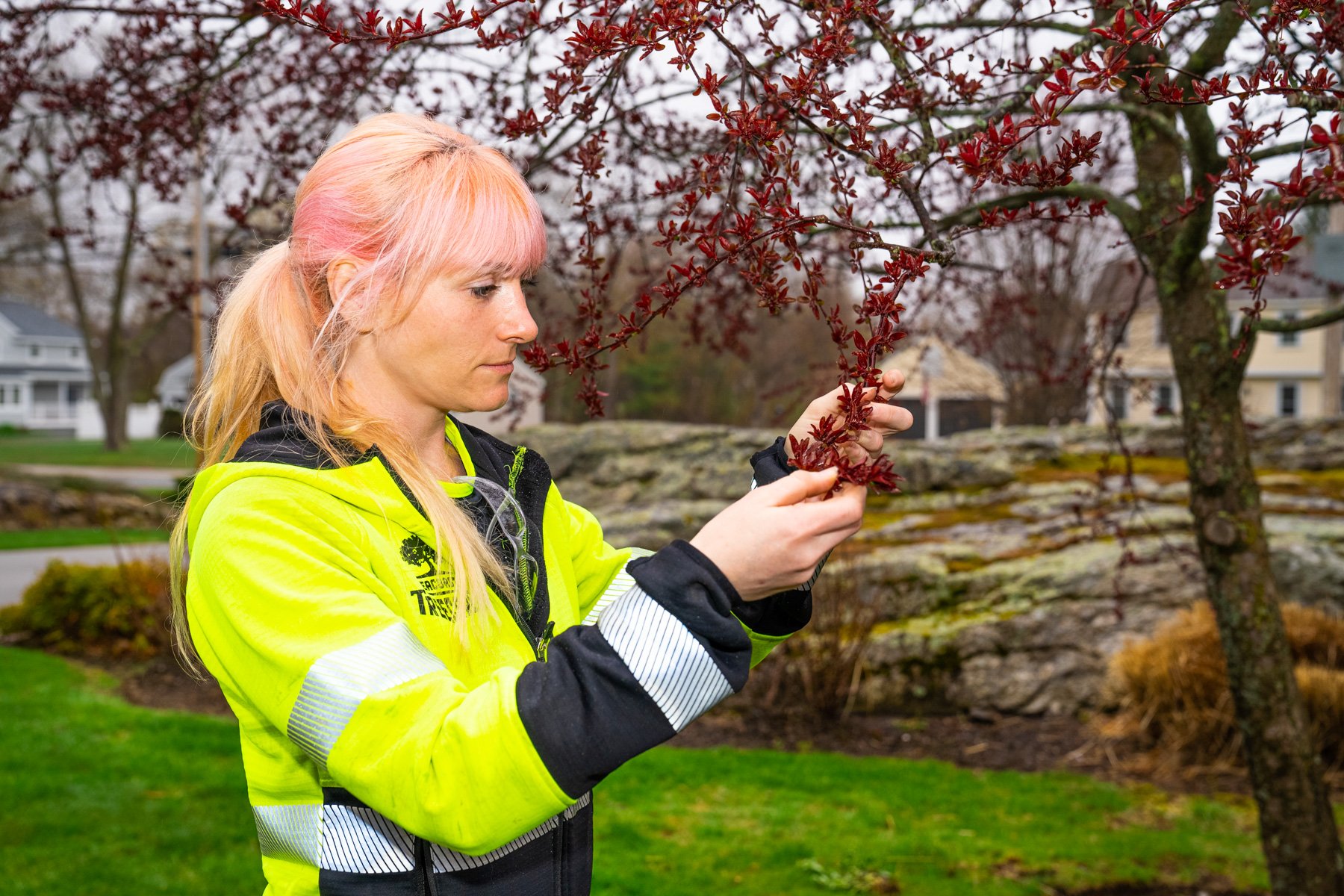
Spotting tree diseases in New England as early as possible is important to determining the right tree treatment. As you might imagine, tree diseases are most easily managed in their early stages.
Any time that you can get ahead of a problem before it becomes more severe is optimal.
The best tree disease treatment option is going to depend on exactly what you’re dealing with. This is why the proper tree disease diagnosis is the key to success. Tree pruning will often be part of the process (especially if it’s a fungal disease). But it’s not the only solution.
Sometimes tree disease symptoms do mimic those of other problems (like pests or even environmental stressors). You want to make sure that you’re treating the actual problem.
Hiring a Professional for Proper Tree Care
If you have trees on your property, then you’ll want to make sure you’re working with a tree care professional who can help you ensure they’re getting everything that they need. That includes proper tree pruning.
When trees are not taken care of, they can actually become a liability. The last thing that you want is for your beloved trees to become a risk or pose problems - possibility leading to their ultimate demise.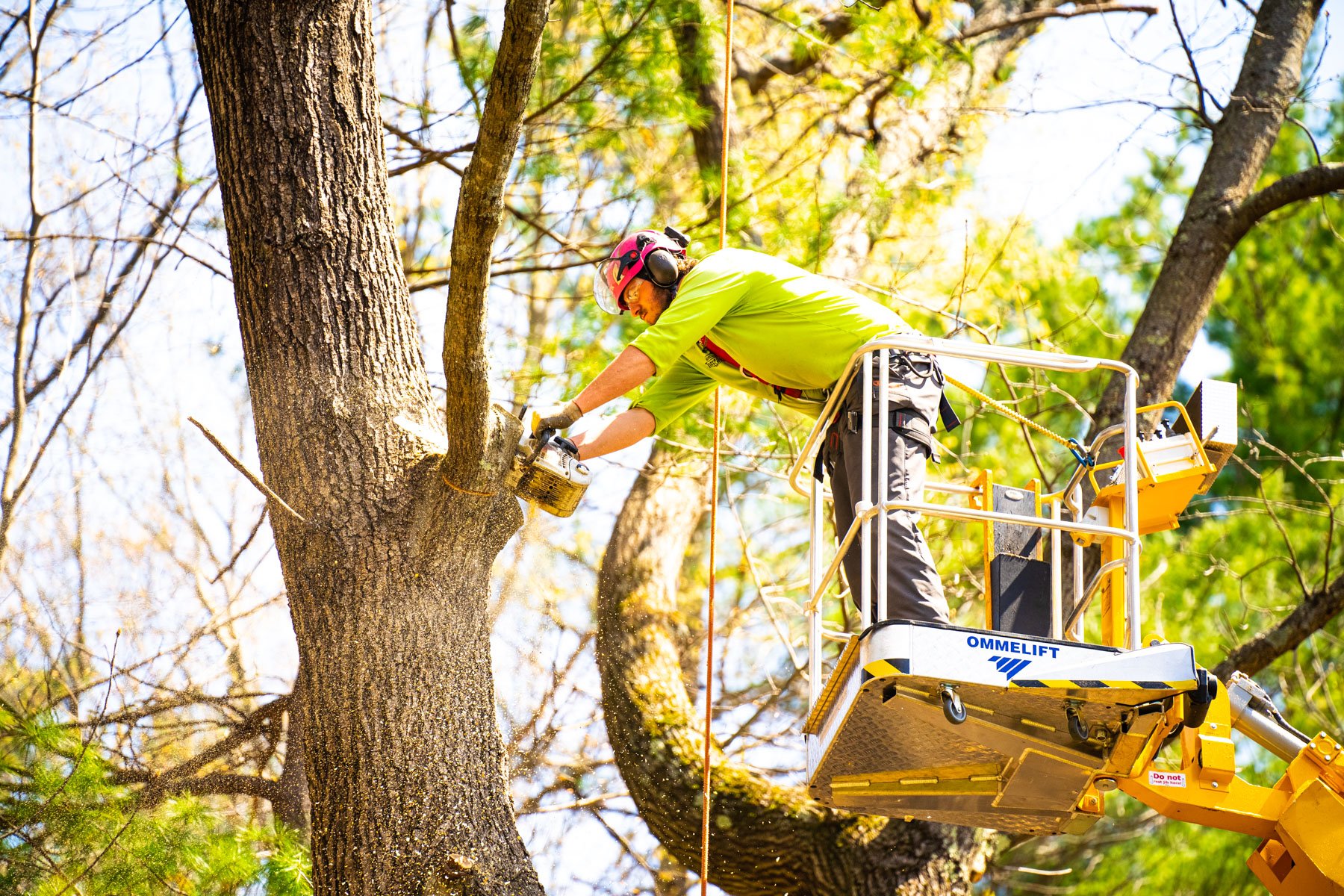
When you hire a professional tree pruning service, you’re actually taking an important step in protecting your investment. There are a lot of New England tree pruning companies out there, so you’ll need to do your due diligence.
Your wise choice will go a long way in preserving your trees’ health and longevity.
One of the important things to look for is a company that employs Certified Arborists.
Working with a company that values extensive training is really important. You want to make sure that whoever is working on your property’s trees actually knows how to make the right cuts in a way that will benefit the health of the tree.
In addition to knowing exactly what cuts to make on your tree, a Certified Arborist will also be able to identify and diagnose potential tree problems. Trees can be subject to problems like diseases, pests, and more. It always helps to have an expert eye taking a good look at your trees.
FAQs About Tree Care
As tree care experts, we get lots of questions about caring for trees. Here are some of the questions we receive most often.
What are common signs my tree may have a disease?
There are many potential signs that your tree can have a disease. Some of the common signs include:
-
Premature leaf drop or wilting
-
Yellowing or browning
-
Leaf spots
-
Branch dieback
-
Stunted growth
-
Problems with the bark (like cracks or signs of decay)
If you notice anything that seems “off” with your trees, it’s worth reaching out to a tree care professional for answers. Time is of the essence when it comes to problems with disease and you want to make sure that you get the proper tree treatment underway.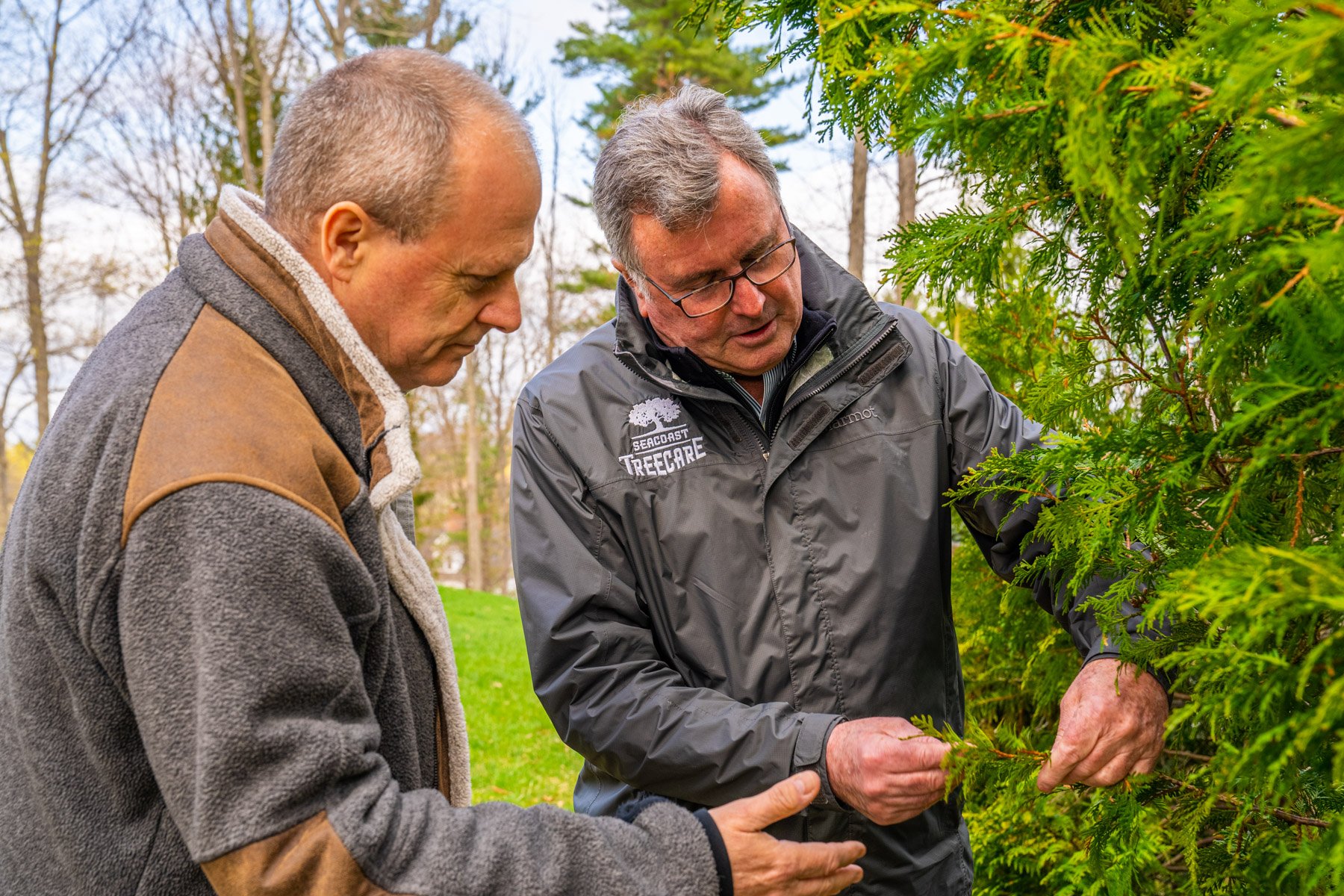
Can pruning really prevent tree diseases or does it just manage them after they appear?
Tree pruning can actually prevent disease in the first place by improving air circulation and increasing the amount of sunlight that can penetrate through the canopy. This can reduce the humid conditions that encourage fungal infections to grow and spread.
Removing dead branches also helps to prevent pests that prefer decaying wood. Since some pathogens are carried into trees by pests, this is an important preventative measure.
Of course, pruning does also help with disease management by removing diseased or decaying wood and preventing pathogens from spreading into healthy parts of the tree.
When is the best time of year to prune for disease prevention in New England?
When possible, dormant pruning is best for trees. This means pruning trees when they are in a state of dormancy (late winter to early spring).
Even though pruning has a lot of benefits for trees, it’s also a stressor. Making cuts to the tree does put stress on it. But pruning during a tree’s dormant state minimizes that stress. As a result, it makes the tree less susceptible to problems with disease and pests.
What are the common tree pruning techniques?
If you are talking about pruning for tree health and to prevent disease, you’re probably looking for crown cleaning. The goal of crown cleaning is to identify dying, dead, and diseased branches and remove them. This helps prevent the spread of decay and is one of the most common forms of tree pruning.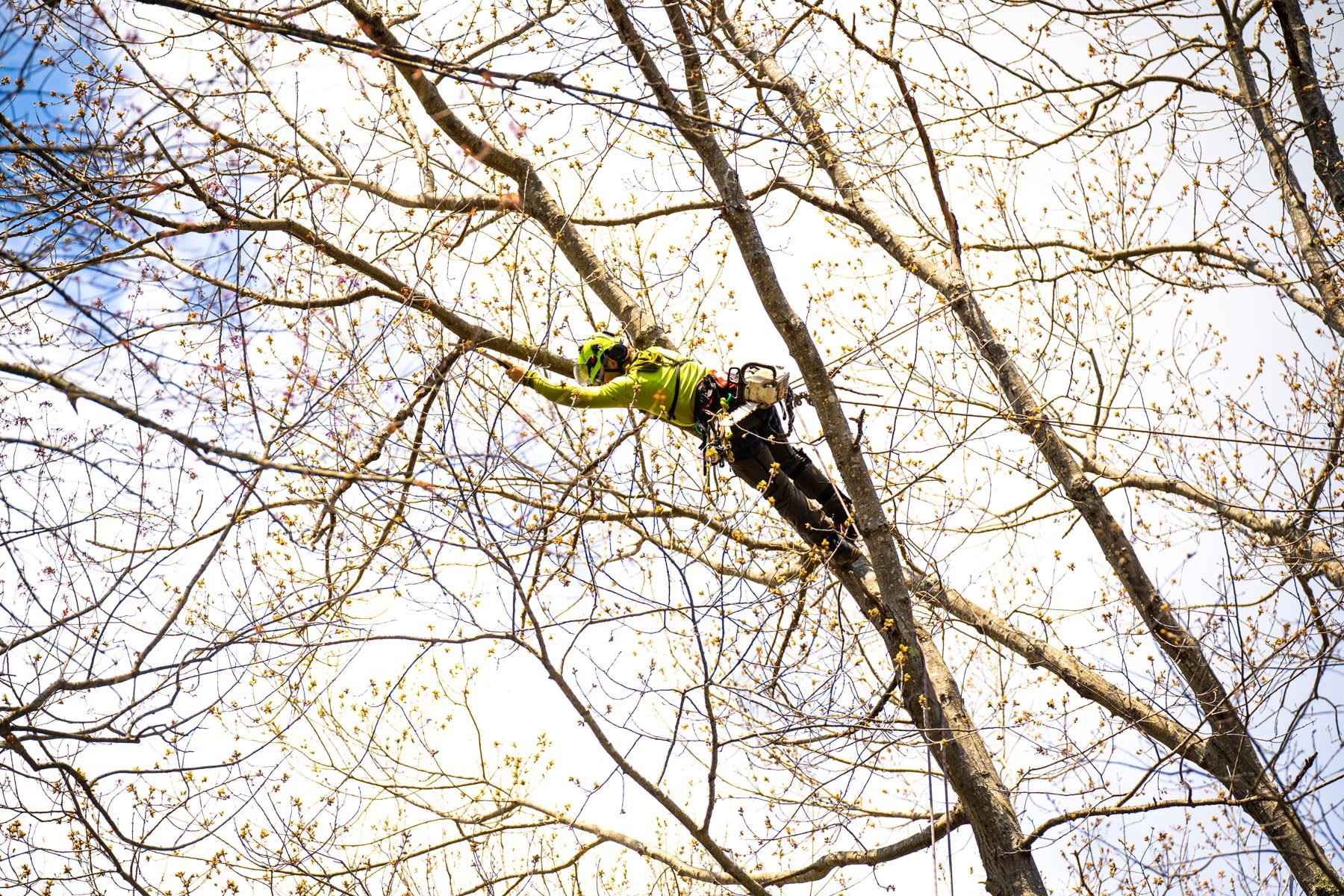
But, crown cleaning is not the only pruning technique. There is also crown thinning, which involves reducing the overall weight of the tree. That means that some strategically-selected live limbs may also be removed. One reason to perform crown thinning is to improve sunlight filtration. It can also reduce the risk of the tree uprooting during a storm.
Crown raising, on the other hand, involves removing lower limbs. This is very purposeful if lower limbs are causing problems. When crown raising is performed on a younger tree, you can prevent a lower limb from becoming a problem in the first place (such as hanging over a sidewalk or street).
Finally, there is also crown reduction, which is essentially a combination of thinning and cleaning, however, the goal is to reduce the overall height and spread of the tree. This would be a tree pruning method needed if the tree is getting too big for the area where it’s planted and needs to be scaled back.
Choosing Tree Care in Southern NH, Northeastern Massachusetts, and Southern Maine
At the end of the day, it’s important that you make a wise choice in professional tree care in order to preserve the long-term health of your trees.
Ultimately, you want to find a company that has your best interest at heart and that you can build a long-term relationship with. Your property requires ongoing care and it’d be great to partner with a company that you truly trust to deliver the best service and results.
By choosing to work with a tree care professional that has significant experience, training, and skill (including horticultural expertise), you can feel confident that the best decisions are being made for your trees.
At Seacoast Tree Care, we take the work that we do quite seriously. We are committed to preserving trees in the New England area by performing vital services like tree pruning, the right way.
Ready for safer and healthier trees at your Southern NH, Maine, or Northeastern Massachusetts home? Request your consultation and get a free quote for tree pruning services. We service properties in and around Stratham, NH, Kittery, ME, and Haverhill, MA. By making a wise choice, you’ll know your trees are in good hands.
