
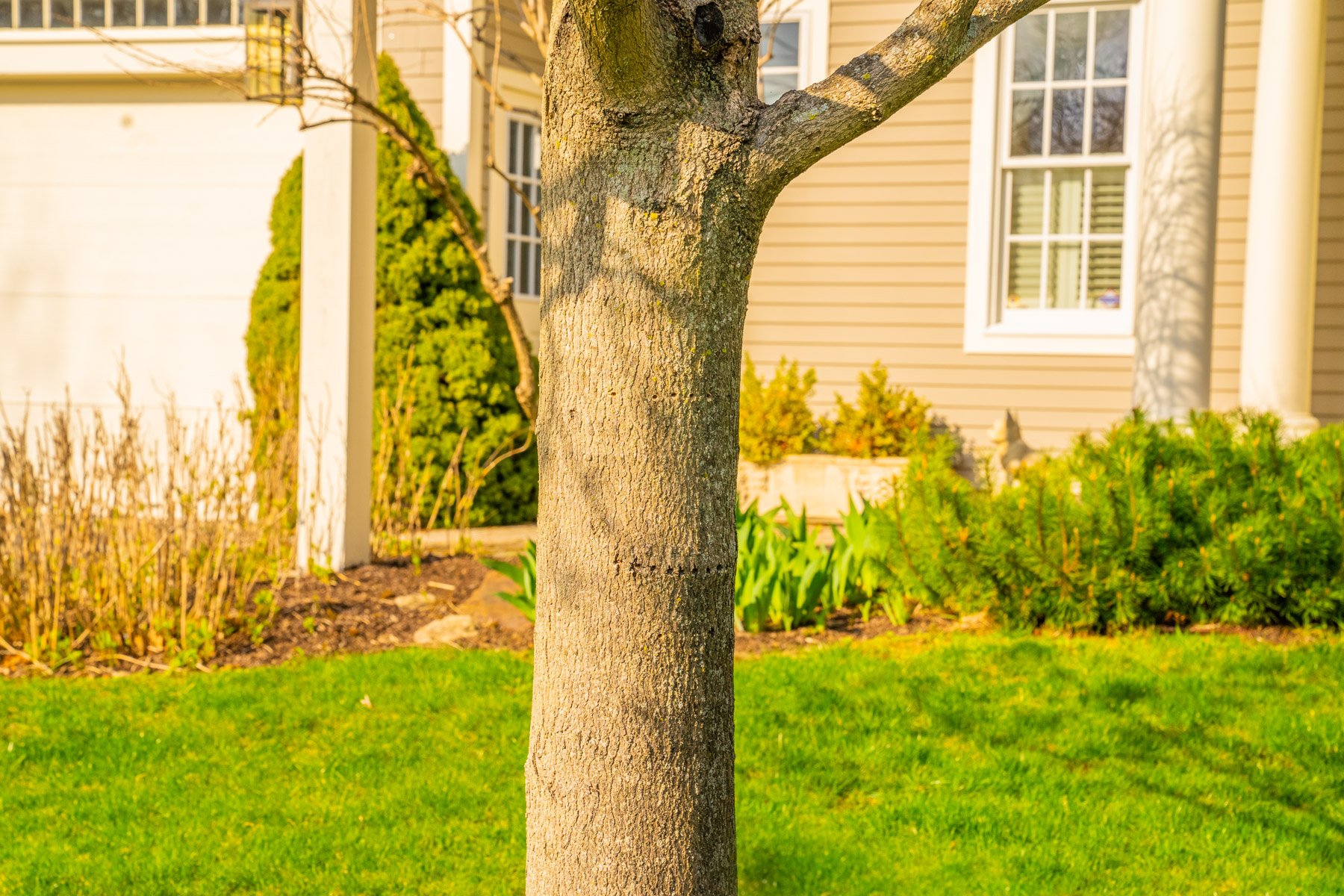
When it comes to maintaining the health of your New England trees, the overall health of the bark is going to play an important role. The bark acts like the tree's skin. Damage doesn't always mean the tree is dying, but it does create a wound that can allow insects and decay to enter. You’ll want to repair bark damage when possible.
In this article, we’ll dive into everything you should know about unhealthy tree bark and what to do about it.
Jump To:
Why Tree Bark Matters for Plant Health
Common Causes of Tree Bark Damage in New England
Can a Tree Recover From Bark Damage?
Proper Tree Bark Repair Methods
Preventing Future Tree Bark Damage
FAQs About Tree Bark Damage
When to Call a Certified Arborist
Why Tree Bark Matters for Plant Health
Tree bark is the outer layer of a tree, which you might think of as its shield. It helps to protect the inner tissues from the weather, pests, damage, and more. When trees experience damage to that protective layer, the tree can be exposed to further problems.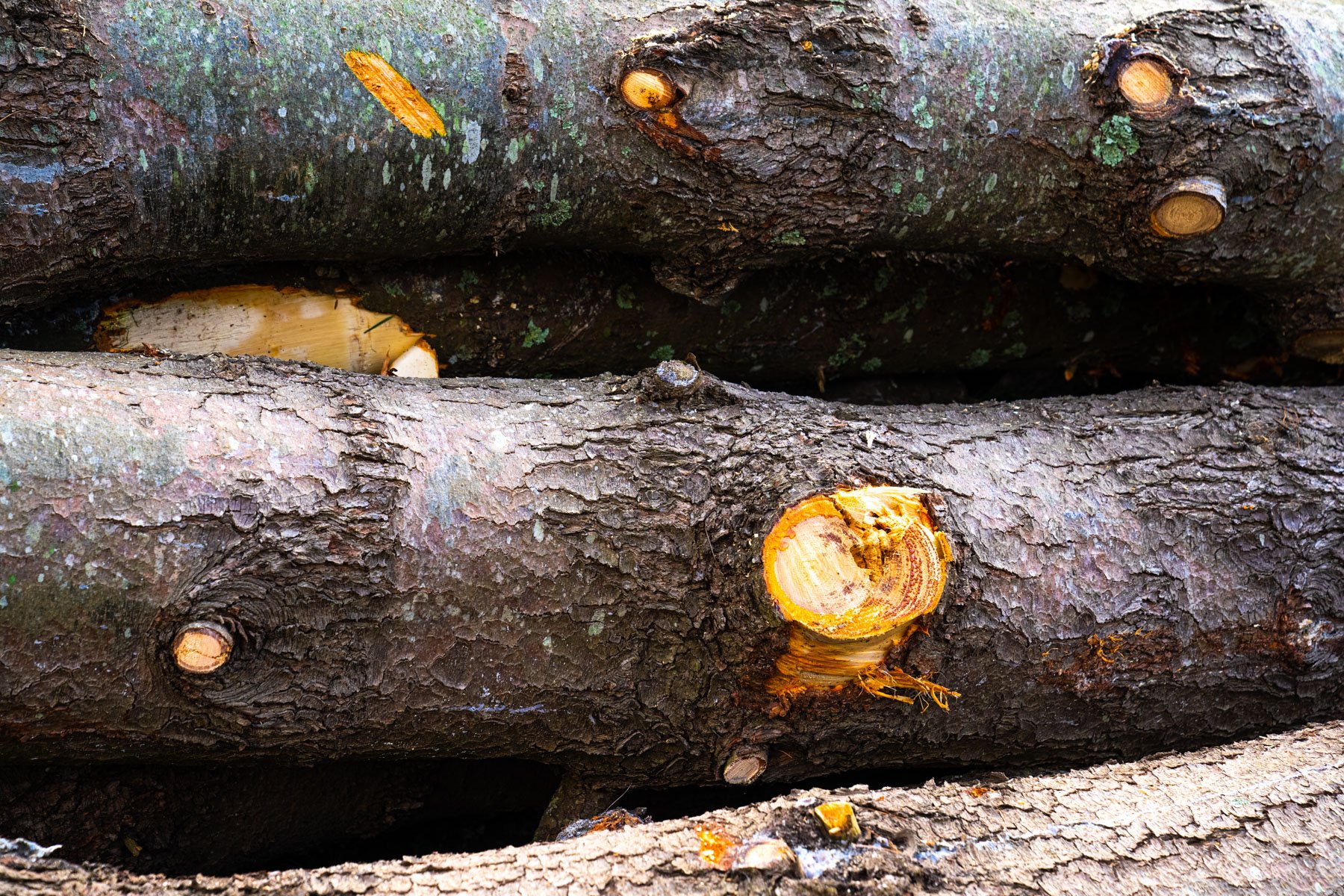
Some of the primary purposes and benefits of healthy tree bark include:
-
Protection: It is a protective barrier against diseases, pests, physical injury, and more.
-
Nutrient Transport: Just beneath the most outer layer is the living tissue that helps to carry nutrients to the rest of the tree (roots, trunk, and branches). But damage to the outer layer can negatively impact this process.
-
Water Conservation: Tree bark also helps prevent water loss by reducing evaporation from a tree’s trunk and branches.
Common Causes of Tree Bark Damage in New England
Bark can become damaged in various ways, including tree pests, diseases, animal and/or human damage, and weather or environmental stress.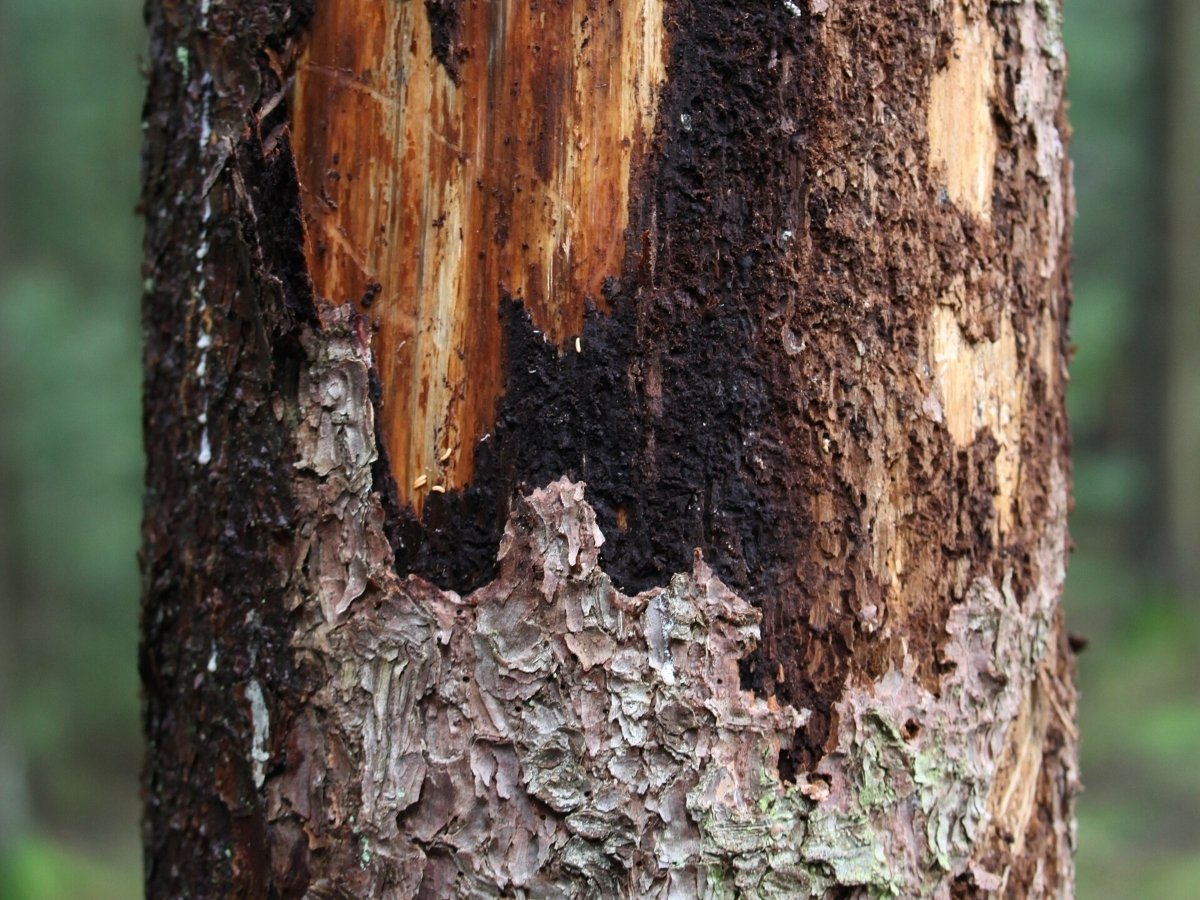
Tree Pests
Tree pests are common in the Seacoast region and can potentially lead to tree bark damage. Wood-boring pests, like certain beetles, as well as scale insects can both cause problems with the bark. While wood-boring pests literally drill into the wood (creating structural holes), scale insects attach themselves to bark and then use their piercing mouthparts to pierce the bark and suck out sap.
Tree Bark Diseases
There are also tree bark diseases that can damage bark. Beech bark disease, sooty bark disease, and fungal cankers are all potential problems that you could experience with tree bark.
Animal or Human Damage
Of course, it’s not just tree bark diseases and pests that can lead to trouble. Tree bark damage can occur as a result of lawn care equipment, animals rubbing antlers on the trunk, or animals and birds chewing on the bark.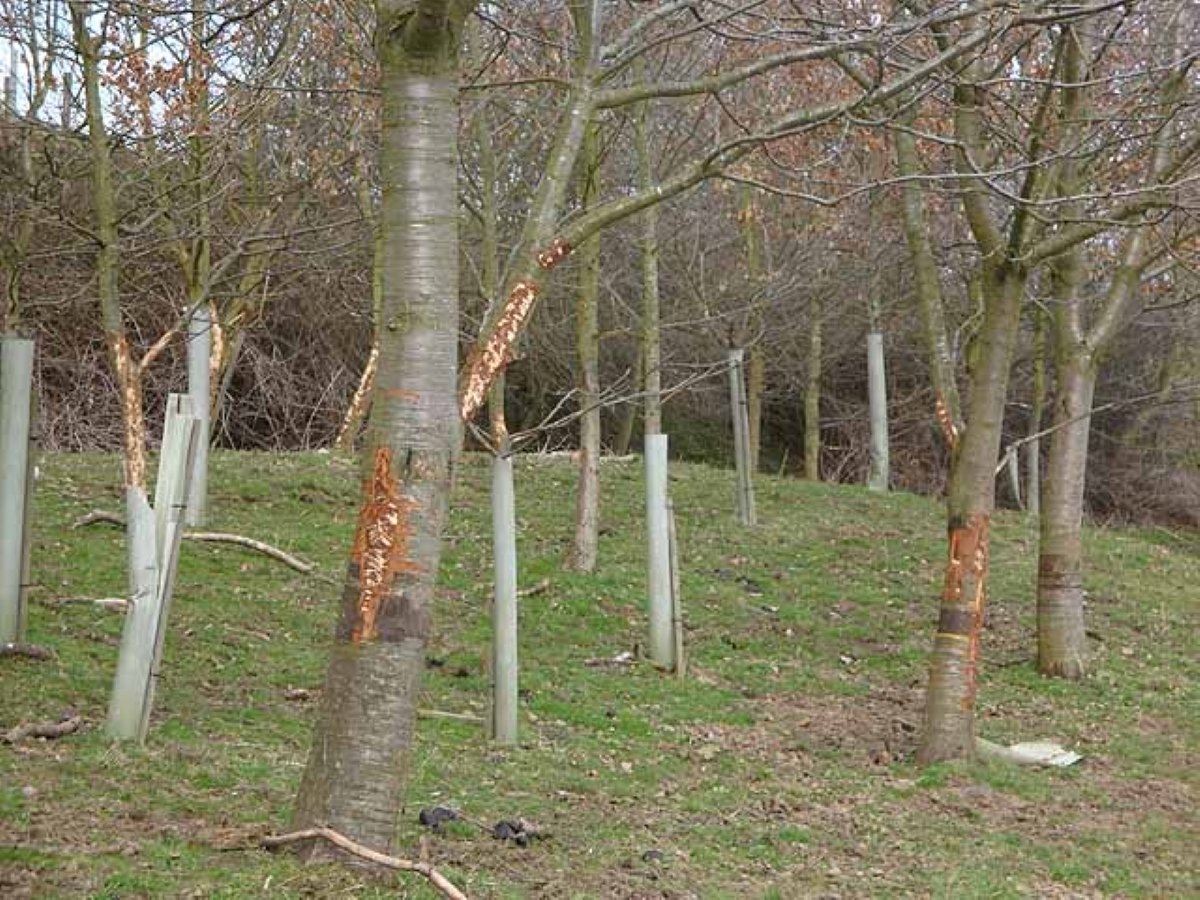
Weather and Environmental Stress
Issues like frost cracks, sun scald, and salt damage can lead to tree bark damage as well.
We can face harsh conditions here in the Seacoast region and trees have to withstand a lot of potential stress. Whether or not this type of damage will repair itself generally depends on the severity as well as the overall condition of the tree’s health.
Can a Tree Recover From Bark Damage?
Yes, a lot of times trees will recover from bark damage. But it depends on factors like where the damage is located, how extensive it was, and what caused it.
Healthy trees can often seal over small wounds, while larger wounds - especially those that wrap around the trunk - can seriously affect the tree's health. Larger wounds are going to take longer to heal and during that time, the tree can be vulnerable.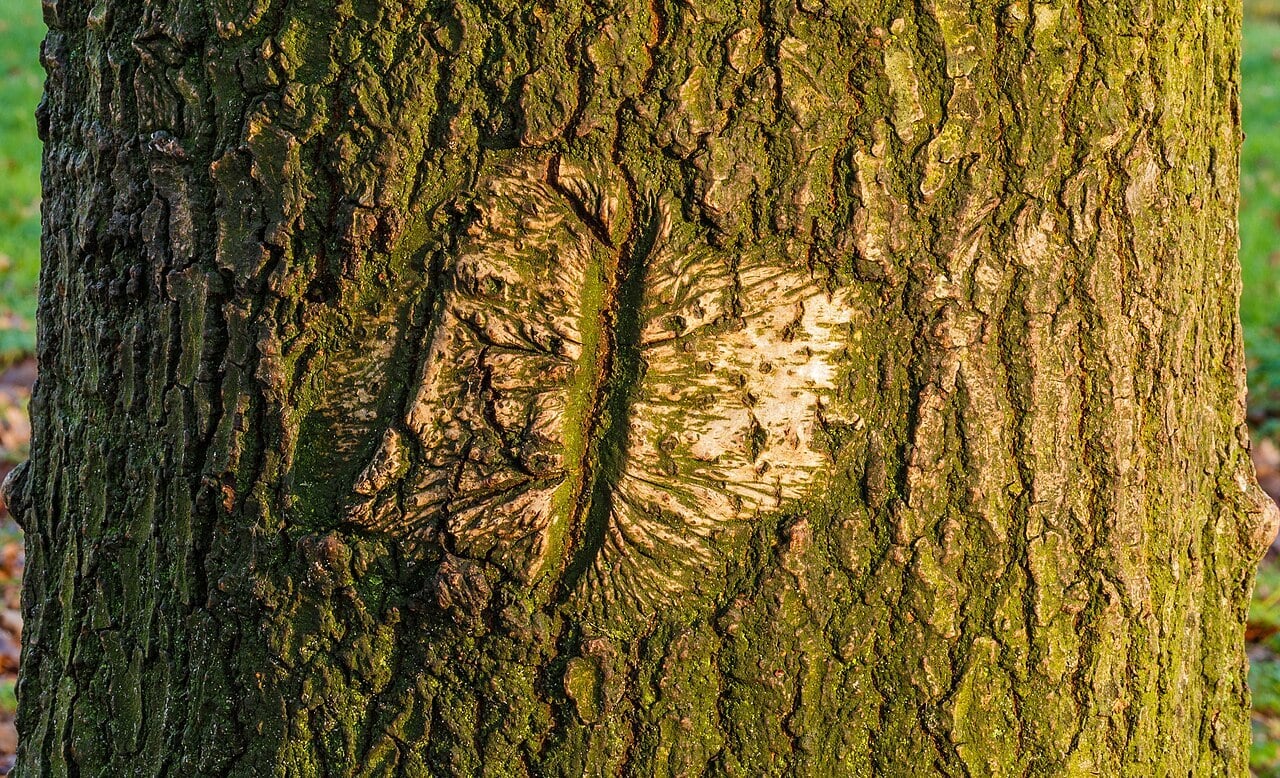
Some of the factors that can impact the tree bark repair process include:
-
The species of the tree: Some species can handle damage better than others.
-
The tree’s age: A mature tree may recover better than a young tree.
-
Size of the wound: Larger wounds can be harder to heal from.
-
Health of the tree: A tree that is already healthy will fare better than one that is struggling.
-
Site of the damage: Injuries near the base or that wrap around the tree can be more serious.
-
Injury type: Some injuries will naturally be worse than others.
Proper Tree Bark Repair Methods
The best practice to repair bark damage generally focuses on protecting the tree in order to allow the wound to heal naturally. While people often think they need to use tree wrap for damaged bark, in most cases this is going to do more harm than good.
Wrapping a tree can trap moisture and create conditions that can lead to fungal growth and decay. Insects can also hide under the wrap and the wound cannot be monitored over time.
At Seacoast Tree Care, if homeowners come to us about tree bark damage, we'll monitor the wound and recommend care to reduce stress and help the tree recover.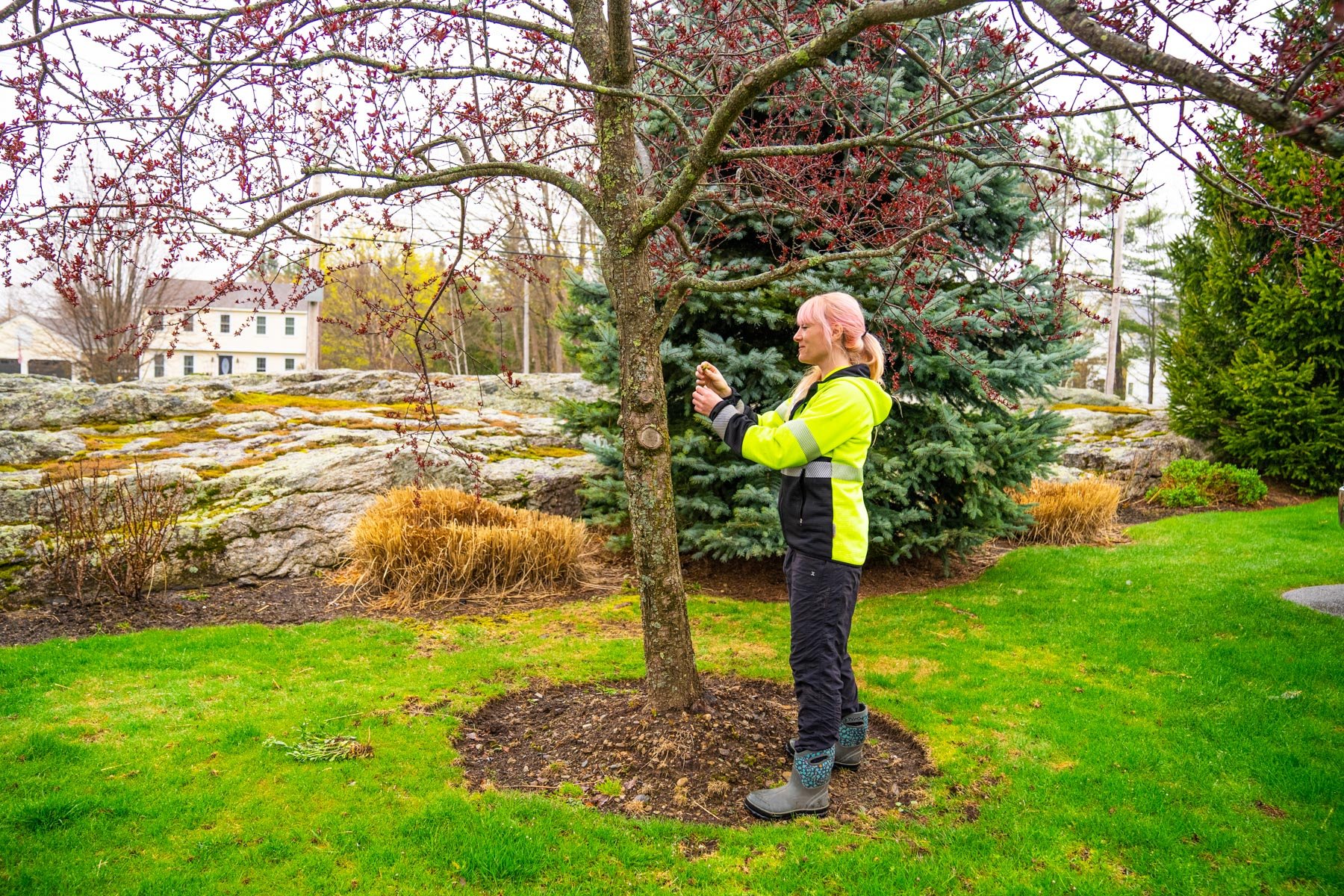
Of course, whether or not a tree will definitely heal does depend on the severity of the wound as well as other factors previously discussed. A Certified Arborist can give you more information about whether they feel the tree can recover. If not, then it’s possible you’ll need to consider tree removal. If damage is severe enough, it could turn your tree into a liability.
Preventing Future Tree Bark Damage
Whether tree bark damage can be prevented depends on what’s going on. For instance, if you have a tree that is repeatedly getting hit by lawn mowing equipment, you can take practical steps to prevent this from happening such as extending a tree mulch ring or even using tree guards.
But some problems simply can’t be prevented. Weather accidents (like lightning strikes or freeze damage), for instance, are out of your control.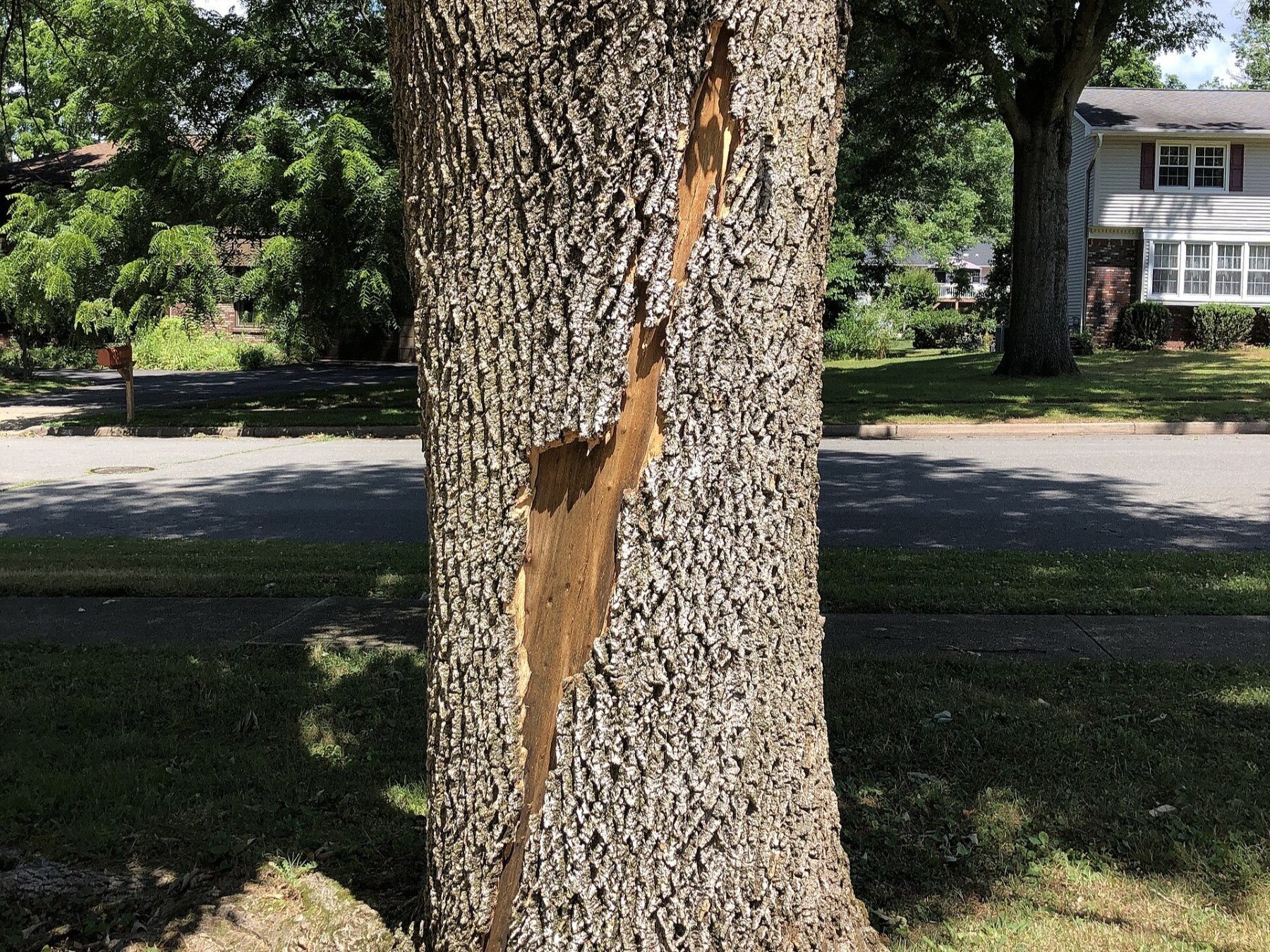
In general, you can take steps to promote the overall better health of your tree by investing in plant health care services.
Tree fertilization can help promote a healthy tree that will have a better chance at recovery. As we mentioned, a tree that is already sickly and struggling will have a harder time bouncing back from damage.
FAQs About Tree Bark Damage
Why is bark damage so bad for a tree’s health?
Bark damage is bad for a tree’s health due to the incredibly valuable role that bark plays in a tree’s overall well-being. Fortunately, in many cases, trees are resilient and will bounce back.
Can you save a tree with damaged bark?
Yes, in many cases you can save a tree with damaged bark. But it will depend on factors like the severity of the damage and where on the tree that it occurred.
Will a mature tree handle tree bark damage better than a young tree
Yes, a mature tree handles tree bark damage better than a young one. One reason is size. A mature tree is going to have a thicker and more established protective layer than a brand-new tree. A mature tree will also have greater stored energy that can be used to help restore its health.
Do trees regrow bark?
Not exactly. Technically speaking a tree will not regrow bark. However, it can close up a damaged area with callused tissue that forms over the wound.
When to Call a Certified Arborist
Any time that you have questions or concerns about your trees, it can be incredibly helpful to have a Certified Arborist involved. After all, trees can be complicated, and you want an expert involved in making the right decisions.
At Seacoast Tree Care, we offer a variety of tree services including plant health care in Southern NH, Northeastern MA, and Southern ME. Plant health care services go a long way in helping to preserve the health of trees and can also play a role in helping them bounce back from some injuries.
We work with a team of highly skilled Certified Arborists who can not only perform thorough inspections (to identify and diagnose problems) but will also help guide you toward the best decisions toward hopefully saving your trees.
Ready for healthier trees at your Southern NH, ME, or MA home? Request your consultation and have your New England trees evaluated. By making a wise choice, you’ll know your trees are in good hands.

Image Sources: lightning damage bark, beetle bark damage, deer antler bark damage, healed tree bark