
Homeowners often don’t think much about their plants until there is a problem. Unfortunately, there are plenty of problems that landscapes can face here in the New England area. The last thing that you want is to lose plant material to problems that could have been prevented.
That’s why you might be interested in plant health solutions.
Investing in a plant health care program can be the solution that you’re looking for at your New England home. But what is plant health care all about? If you’re like a lot of homeowners, you might not know too much about these services or why you might need them.
In this article, we’ll dive into everything you ought to know about plant health services. Investing in these types of services can make a huge difference in the life and health of your landscape.
Jump to:
What is Plant Health Care (PHC)?
What’s Included in a Plant Health Care Program?
Why Should I Get Plant Health Services in New England?
What Are the Benefits of Tree and Shrub Care Programs?
FAQs on Plant Health Services
Choosing Plant Health Care in Southern NH, Northeastern MA, and Southern ME
What is Plant Health Care (PHC)?
Plant health care (often shortened to PHC) is a program that combines services like fertilization, disease control, and insect control to help improve the health of your plants. It is often able to prevent problems from becoming more serious or even stop some problems in the first place. This can be significant as serious plant health problems often cost a lot more to fix than preventing or treating them early.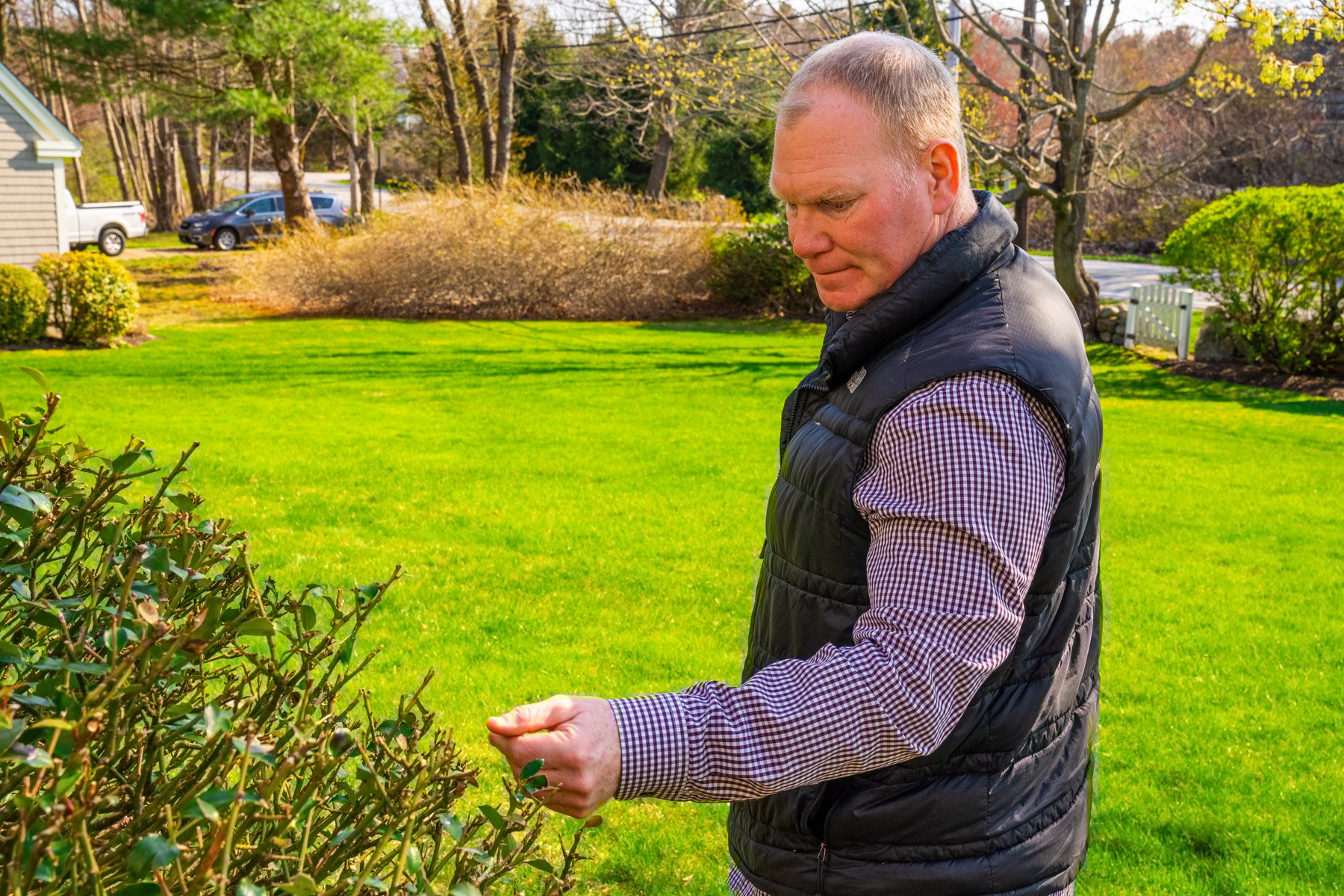
What’s Included in a Plant Health Care Program?
Every company is going to structure their plant health care programs a little bit differently but generally, in Massachusetts, New Hampshire, and Maine, you can expect services like:
-
Spring Horticultural Oil
-
Insect and Disease Control
-
Evergreen Fungicide Applications
-
Deep Root Feeding
-
Winter Protection Spray
-
Soil Testing
One of the big benefits of investing in plant health care is that you’ll also have routine property evaluations as part of the visit.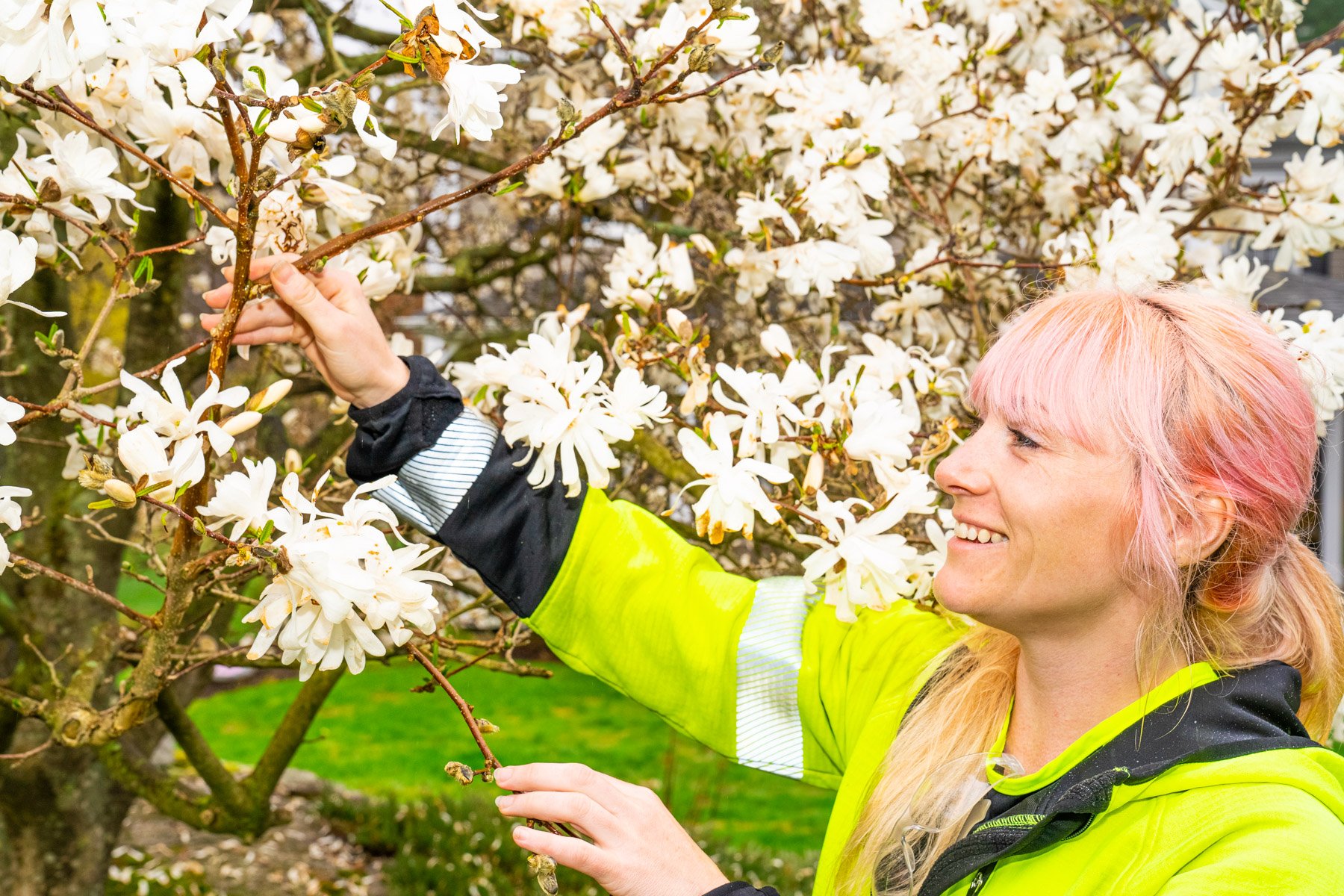
Having a plant health care specialist on your property, evaluating the health of your plants, is crucial. This is the opportunity to regularly have an expert eye on problems you may be facing and is often where early signs of trouble are spotted. It’s how you can protect your investment in your landscape.
Why Should I Get Plant Health Services in New England?
New England is known for some pretty specific landscape threats that can make plant health services especially valuable.
For example, the Hemlock Woody Adelgid, Winter Moth, and Emerald Ash Borer are three specific pests that have the power to do a lot of potential damage in Southern NH, ME, and MA landscapes. Fortunately, we have specialty control options for each of these common pests.
There are also more than 45 common diseases that are prevalent in our region. A plant health care specialist can help prevent and treat these as well.
But it’s also our weather that is unique and often particularly harsh to landscapes.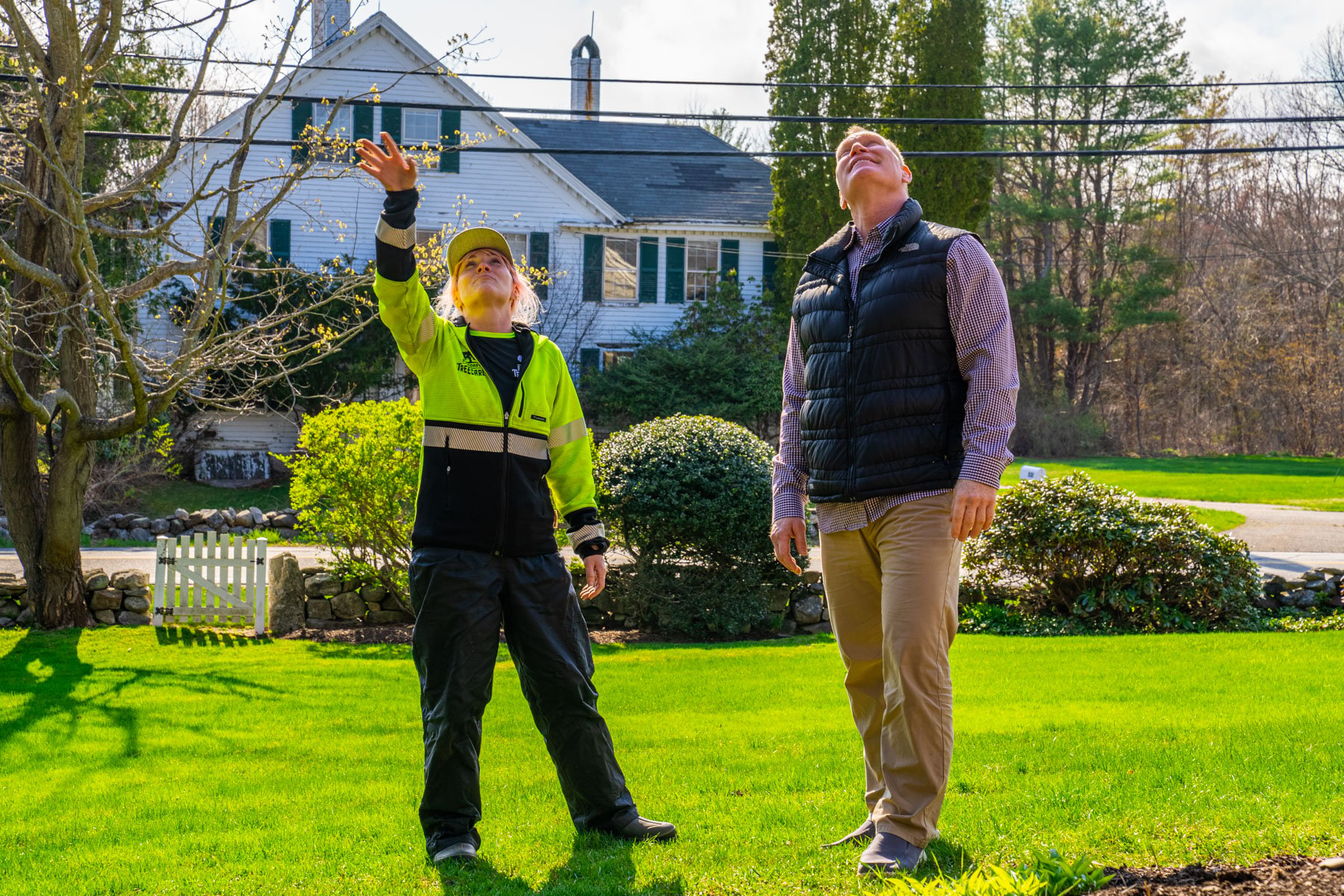
The Seacoast region can face harsh winds, salty air, and other challenging climate conditions that can be tough on plants. Doing what you can to promote optimal plant health despite these conditions can help you protect your investment in your landscape.
What Are the Benefits of Tree and Shrub Care Programs?
Obviously one of the biggest benefits of investing in plant health services is that you’ll be able to prevent or treat problems with diseases, pests, and environmental stressors. These landscape troubles can cost you your plants, so doing what you can to maintain plant health is important.
But you’ll also start to see other noticeable benefits when you invest in plant health. Some of these include:
-
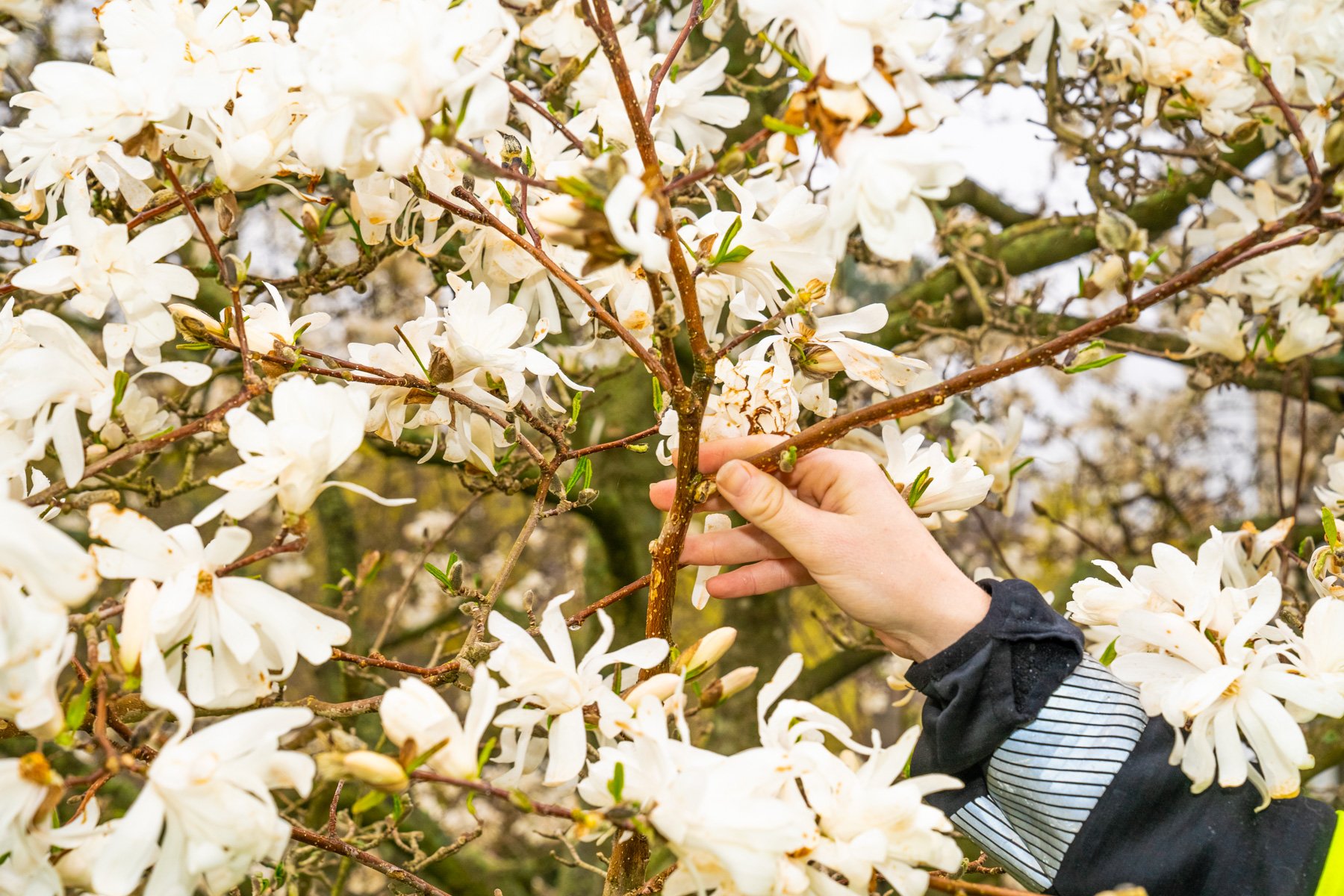
More profuse blooms
-
Longer bloom time
-
Greener, healthier-looking plants
-
Increased lifespan
And you’ll save yourself time, money, and aggravation. Losing plants to preventable problems is frustrating and can cause a lot of hassle and headaches. Plus, replacing plants is expensive! But when you are able to prevent these problems, you definitely save yourself time, money, and aggravation.
FAQs on Plant Health Services
Before we wrap up this article, we wanted to answer some commonly asked questions about plant health care.
What services are included in Seacoast’s PHC program?
At Seacoast Tree Care, we have three different plant health care programs for the level of service you need: Fundamental, Standard, and Advanced.
Some of the services required include property evaluations, spring horticultural oil, insect and disease control, evergreen fungicide applications, deep root feeding, winter protection spray, free soil testing, and more. Our programs start as low as $50/month.
How is plant health care different from regular tree care?
When talking about “tree care,” it’s usually referring to services like tree pruning, cabling and bracing, and sometimes tree or stump removal. Plant health services are focused on things like disease and insect control and fertilization. Both are important to the overall maintenance and care of your landscape.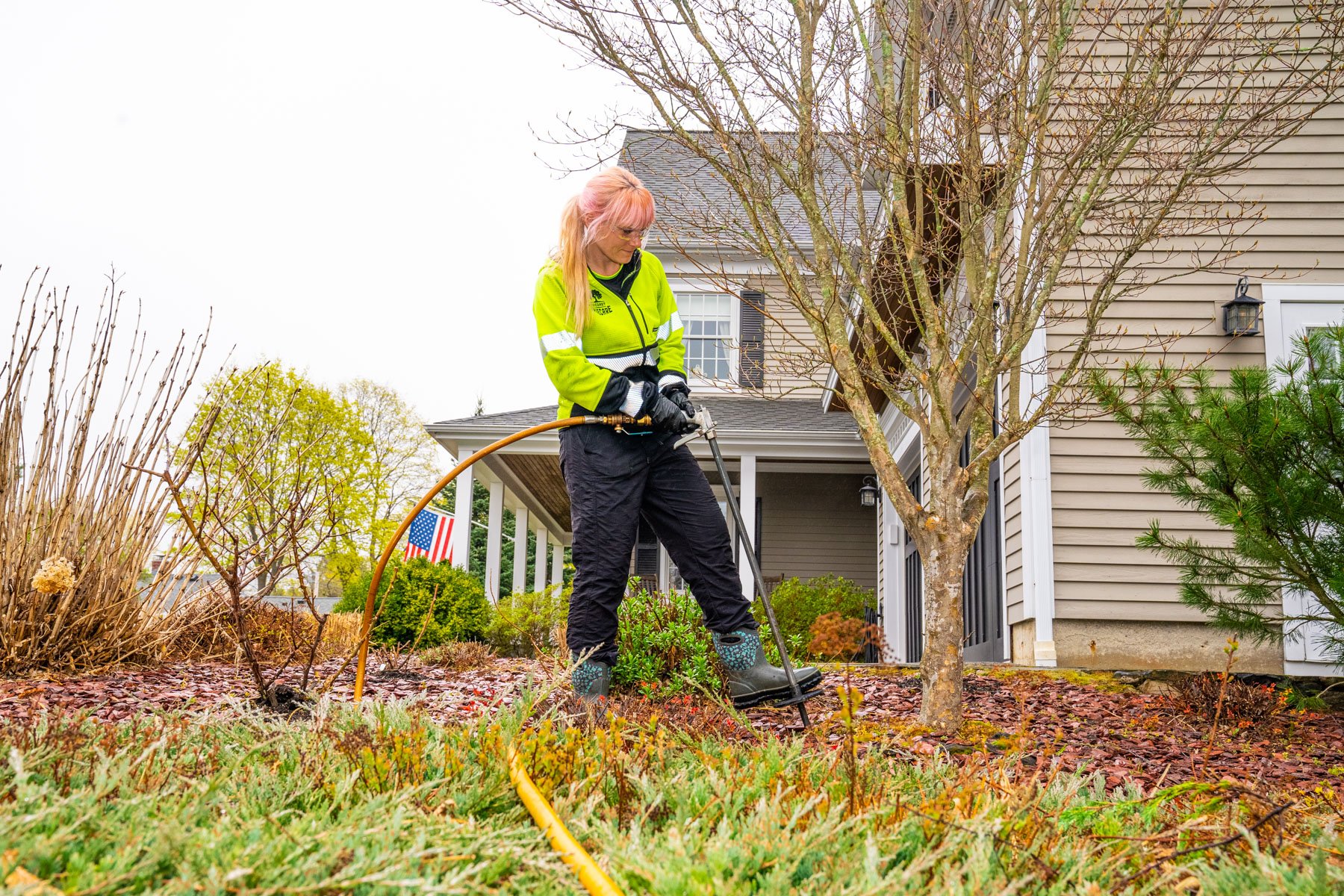
How often are plant health services performed?
Plant health care visits are strategically timed with seasonal needs. But exactly how many visits you have will depend on the specific plant health care program that you sign up for with Seacoast Tree Care.
At Seacoast Tree Care, we have three levels of programs based on your needs. Our Fundamental program includes 4 visits, our Standard program includes 6 visits, and Advanced includes 9 visits.
What are the signs that I need a plant health care specialist?
All landscapes can benefit from plant health services since a primary focus is to prevent problems from even occurring in the first place. But we know that people don’t always realize they need plant health care until they notice something is wrong.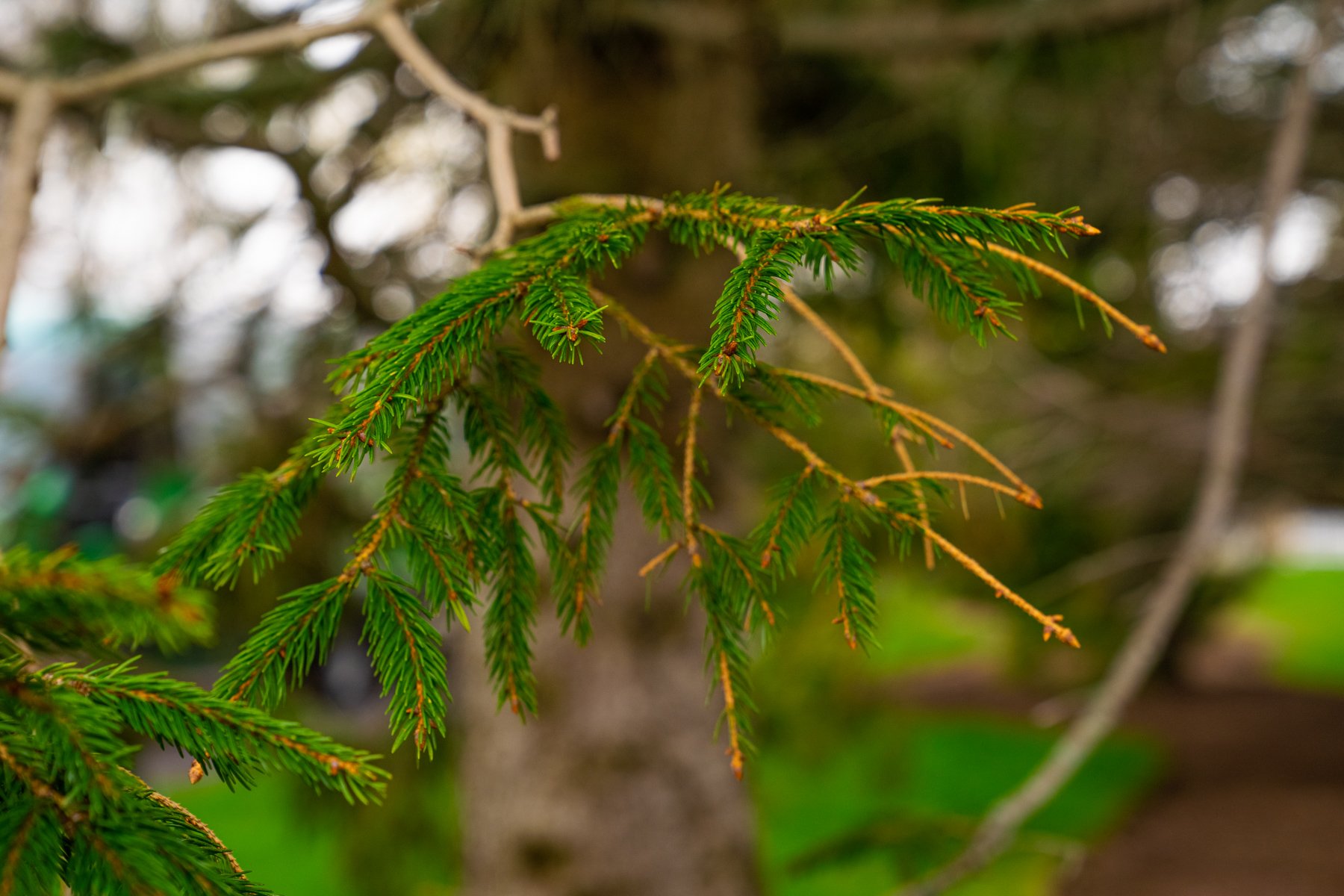
Some signs that your plants are not healthy include discoloration or spots on foliage, premature leaf drop, limited growth, chewed leaves, holes in bark, and more. If your plants are under-performing or you spot signs of trouble, there could definitely be something wrong.
How will I know if a tree application has been performed?
Communication is important. A door hanger will be left for you after the application is completed. If you don’t see a door hanger, we can double check with the technician about what was completed during their visit.
Choosing Plant Health Care in Southern NH, Northeastern MA, and Southern ME
There are plenty of companies offering plant health care in Southern NH, Northeastern MA, and Southern ME. Ultimately, you want to find a company that has your best interest at heart and that you can build a long-term relationship with. Your property requires ongoing care and it’d be great to partner with a company that you truly trust.
At Seacoast Tree Care, we take the work that we do quite seriously. We started our business with the belief that we are here to care for and protect trees whenever we can. Our plant health care programs fit perfectly into this goal. They play a vital role in helping us to keep plants thriving.
Having a plant health care specialist visiting your property also provides valuable peace of mind. This means letting go of worries associated with diseases, pests, and other problems, and knowing that your landscape is in good hands.
At Seacoast Tree Care, we would love to help you protect and care for your plants. We are committed to preserving trees and shrubs in the New England area by performing all the vital services necessary.
We can help you select the plant health care program that is right for your property’s specific needs.
If you are looking to get the most out of the trees and shrubs on your New England property, then proper plant health care is the way to go.
Ready for healthier trees at your Southern NH, ME, or MA home? Request your consultation and have your New England trees evaluated. By making a wise choice, you’ll know your trees are in good hands.
