
The trees on your New England property are important to you. The last thing that you want is to lose them to a tree disease, particularly if it could have been prevented or treated. While there are many different tree diseases here in the Seacoast region, in this article, we’re focusing on anthracnose disease.
Because this disease thrives in moist and humid conditions with extended periods of leaf wetness, we see a lot of anthracnose here. While it is certainly not a death sentence, it’s definitely something you want to understand how to manage.
Jump To:
What is Anthracnose?
What Causes Anthracnose?
What Does Anthracnose Look Like?
Is Anthracnose Deadly?
How to Treat Anthracnose
FAQs About Anthracnose Disease
When to Get Professional Plant Health Care in Southern NH, Northeastern MA, and Southern ME
What is Anthracnose?
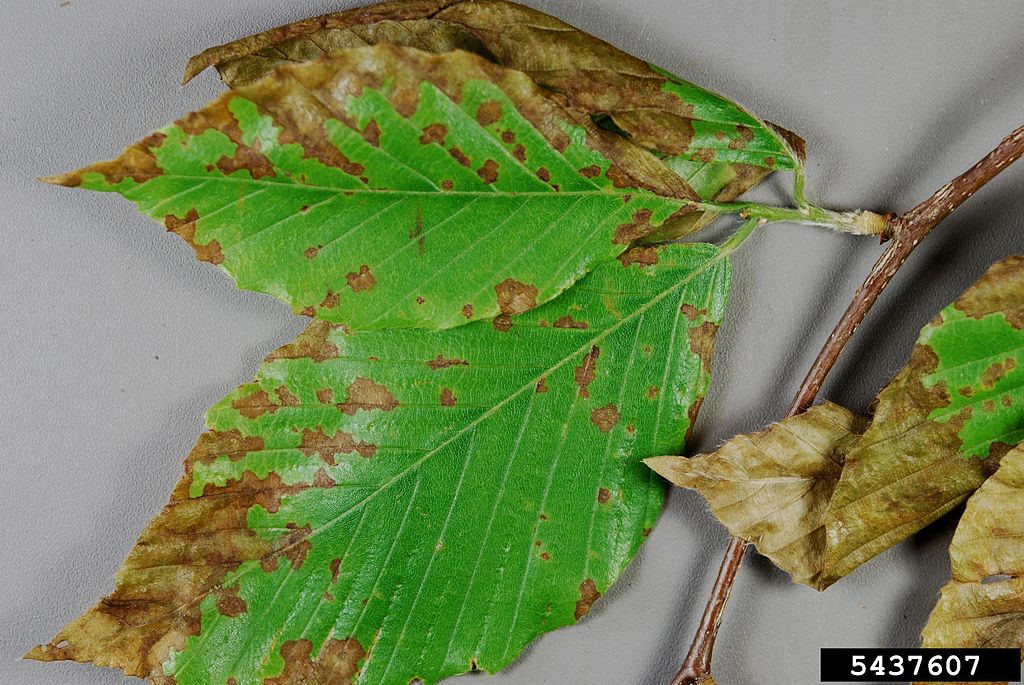
Anthracnose is a common fungal disease in New England that affects a variety of trees, including sycamore, ash, oak, and dogwood. It tends to show up during cool, wet spring weather, which makes it especially common in our region.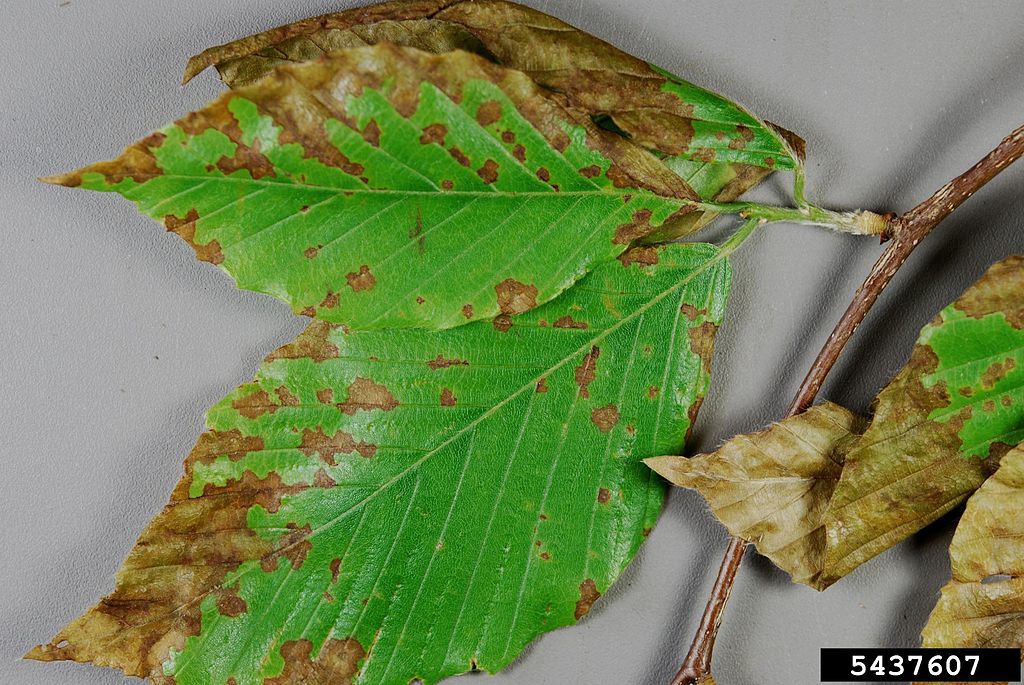
Anthracnose disease can definitely look very alarming but it usually ends up being more of a stress issue than a tree killer.
Like many tree diseases, whether or not anthracnose becomes serious can depend on a number of factors. The way that your plant responds to this disease can depend on:
-
The plant species
-
Airflow/sun exposure
-
How wet the foliage stays
-
Spring weather patterns
What Causes Anthracnose?
Anthracnose can be caused by several different kinds of fungi primarily from the genus Colletotrichum, Apiognomonia, and Discula. These are fungi that thrive in moist and cool conditions, which are common here in the Seacoast region.
Fungi can spread via rain splash, wind-driven moisture, contaminated tools, and more. Infections usually begin in the spring during rainy weather. As spores are released and splashed onto new leaves, the infection can spread.
What Does Anthracnose Look Like?
Anthracnose disease shows up as brown spots on the leaves.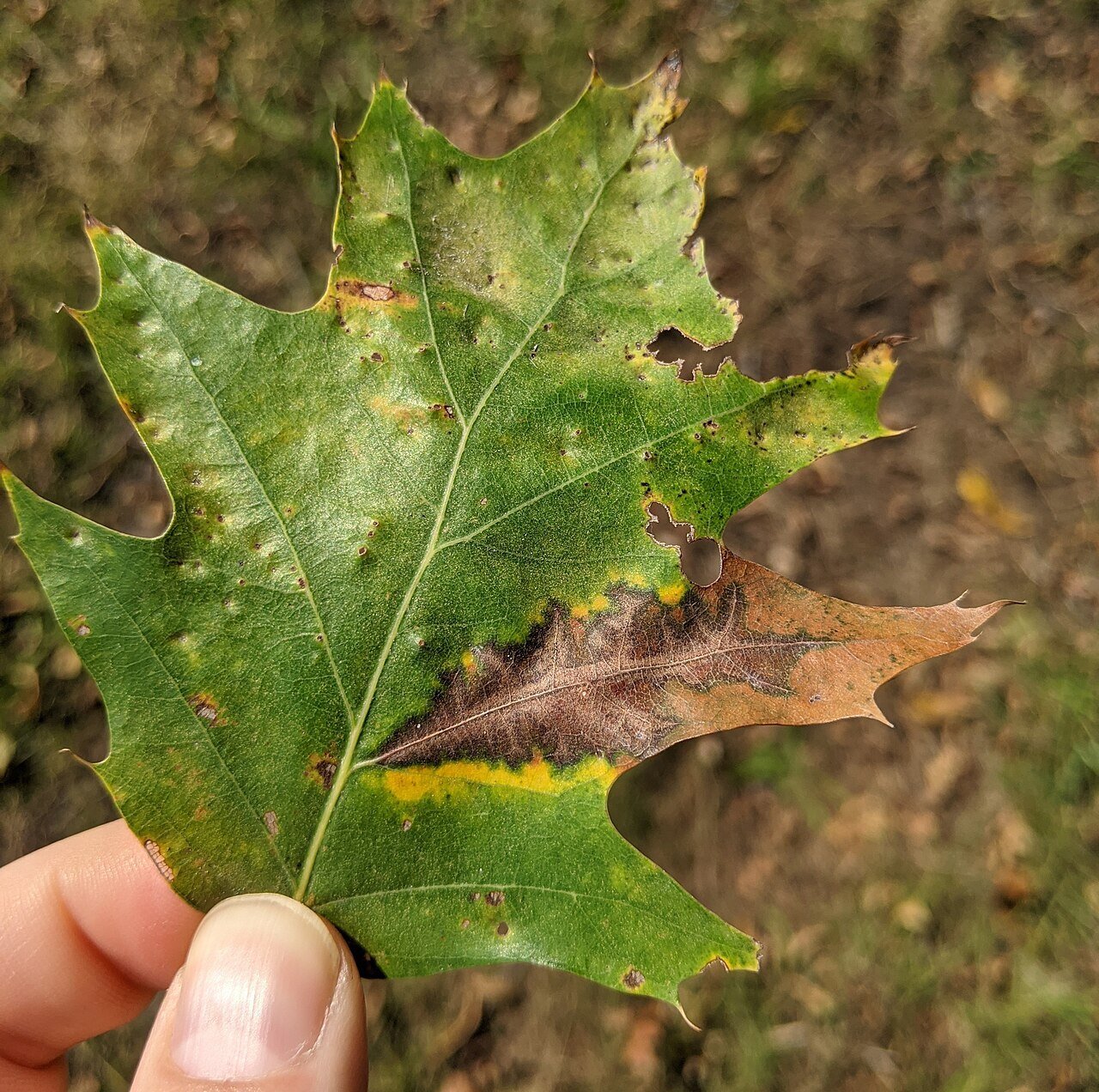
While you’ll notice Anthracnose affecting leaves first, in more severe cases (or as it spreads), it can impact small branches as well.
Symptoms of anthracnose include:
-
Irregular brown or tan blotches on leaves
-
Darkened areas along leaf veins
-
Leaves curling or becoming distorted
-
Premature leaf drop, sometimes in late spring
-
Dieback of small twigs or buds in more advanced cases
Anthracnose disease does commonly get confused for other problems like frost damage (especially after a late season freeze) or other leaf spot diseases. Compared to other leaf spot diseases, anthracnose tends to create larger blotches that merge together, so this may be a tell-tale sign.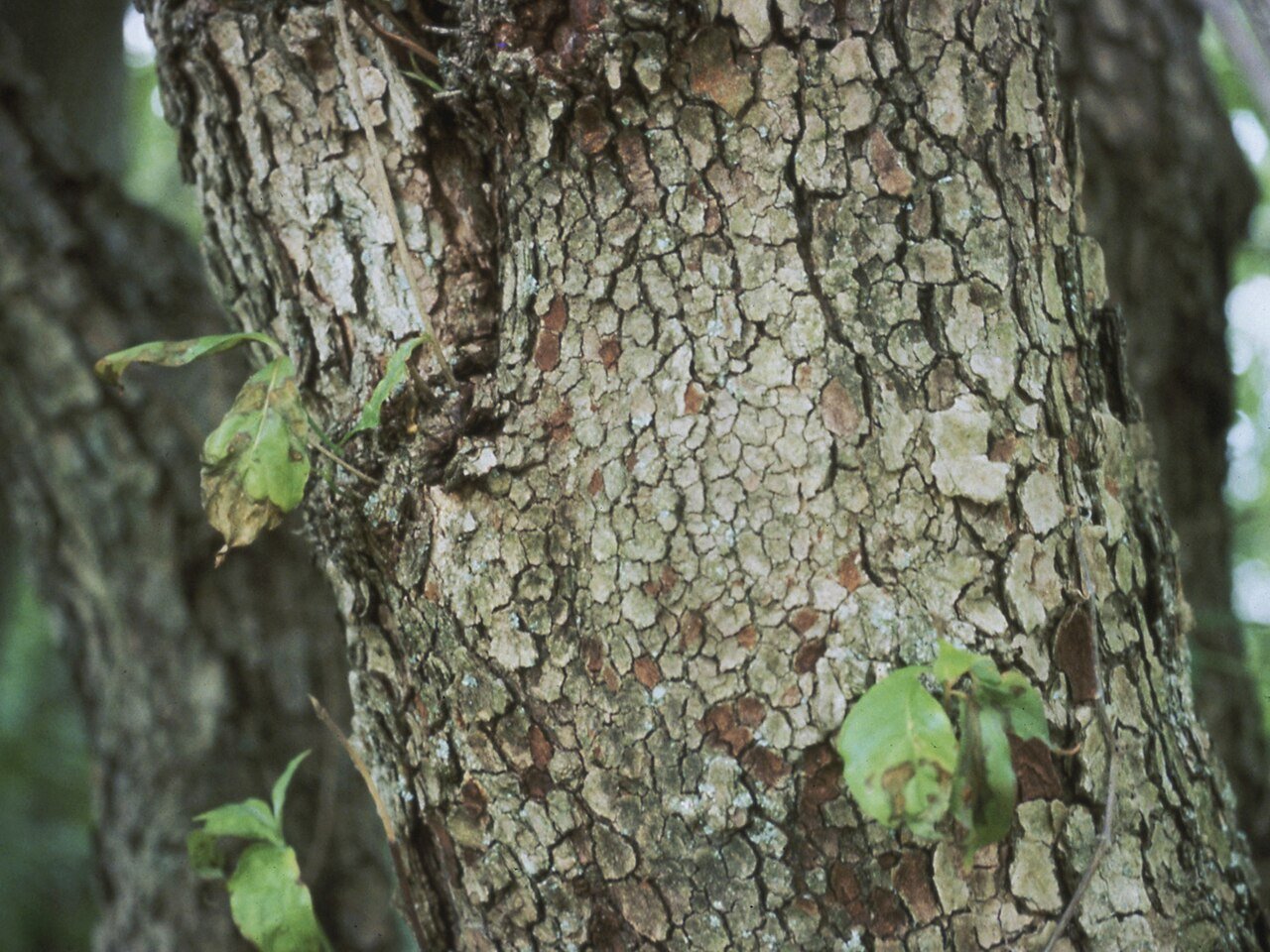
Is Anthracnose Deadly?
As we mentioned, anthracnose is usually not a death sentence for trees but it will put them in a state of stress. And if a tree experiences repeated cases of this disease, it can severely weaken over time.
Like any disease, the severity of the case often depends on factors like the existing health of the tree, the age of the tree, the species, and environmental conditions, including the weather.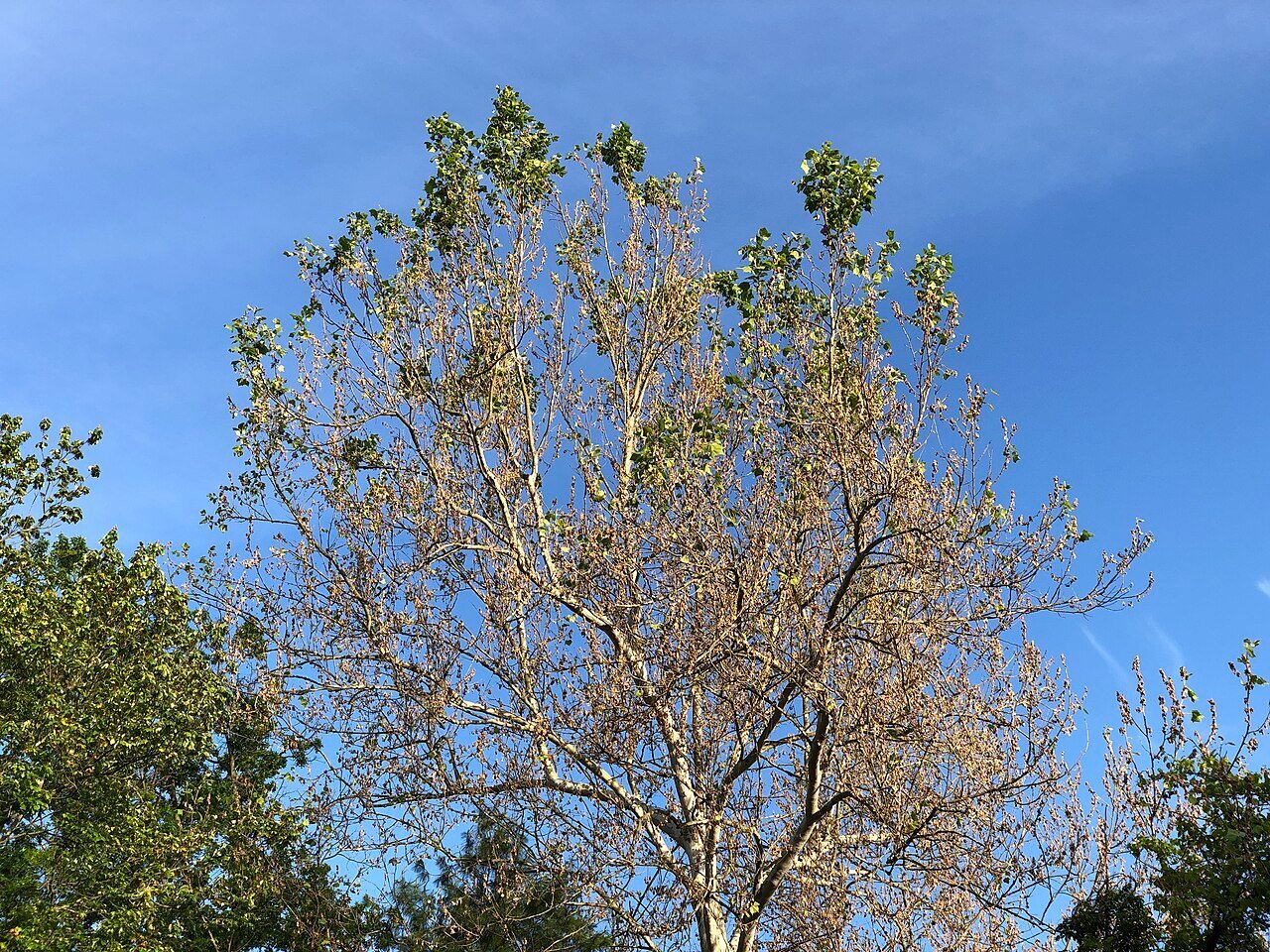
Signs that disease has taken a serious toll on the tree and it is heavily stressed include:
-
Repeated years of heavy defoliation
-
Dead branch tips throughout canopy
-
Sparse leafing year after year
-
Trunk cankers (when it moves to the trunk, this is more serious)
-
Failure to refoliate
-
Progressive canopy thinning
With any disease, if it ravages the tree severely enough, tree removal may need to be discussed. But most of the time, homeowners are able to get ahead of anthracnose disease before the issues become severe.
How to Treat Anthracnose
In many cases, healthy, established trees can recover from Anthracnose without aggressive treatment. However, repeated infections year after year can weaken your tree and make it more vulnerable to other problems.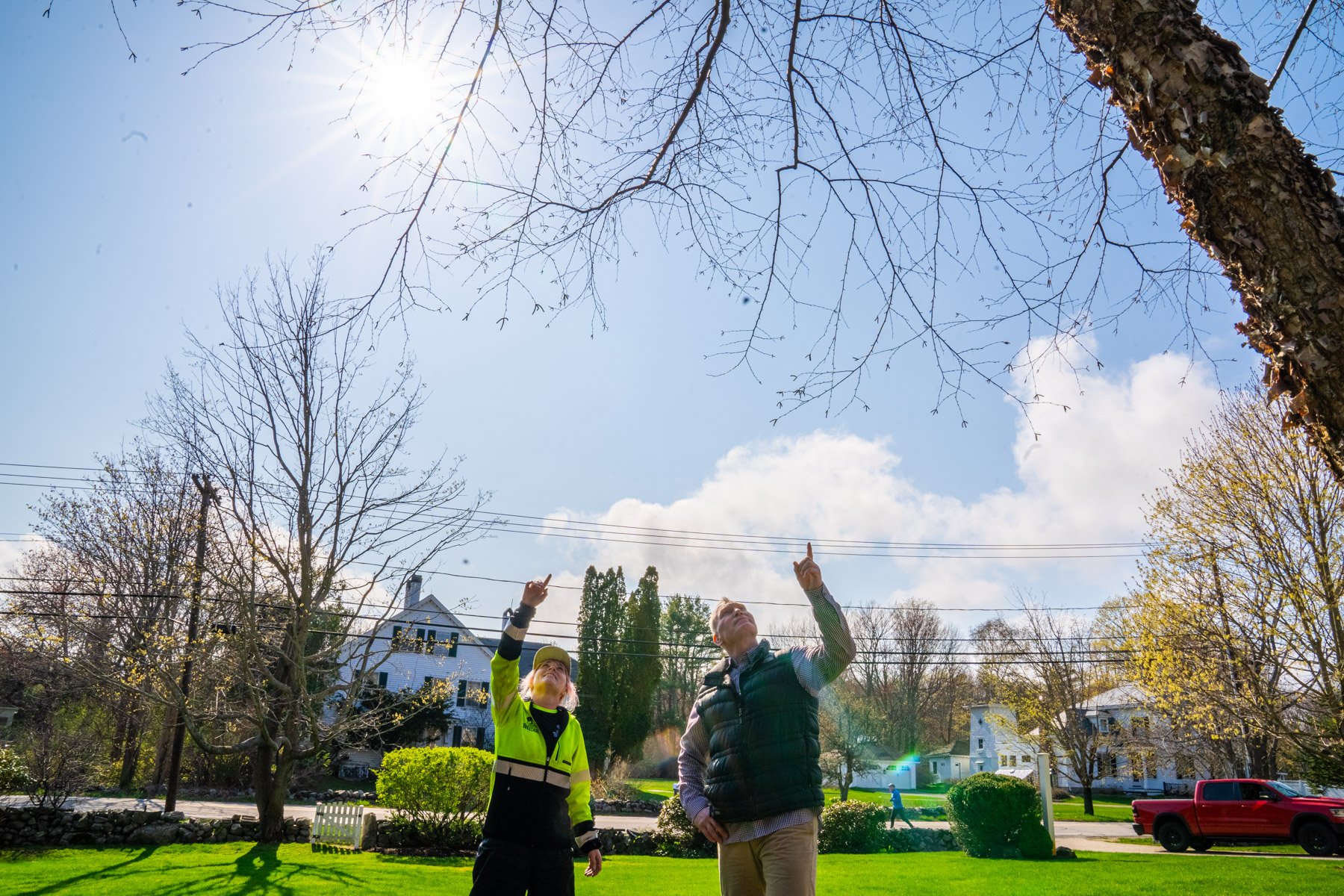
Managing anthracnose typically involves:
-
Improving overall tree health
-
Pruning affected areas when appropriate
-
Monitoring conditions during wet seasons
If symptoms are severe or continue to return, it may be worth having your tree evaluated to determine the best course of action. There are anthracnose fungicide treatments that can be used, particularly if you have a tree that seems to have annual re-infections.
Prevention vs. Reactive Care
While not all tree diseases can be prevented, there are steps you can take to reduce your risk and keep your trees as healthy as possible.
In many cases, disease problems are more likely to affect trees that are already stressed. That’s why proactive care can make a big difference. You want your trees to be in their best health.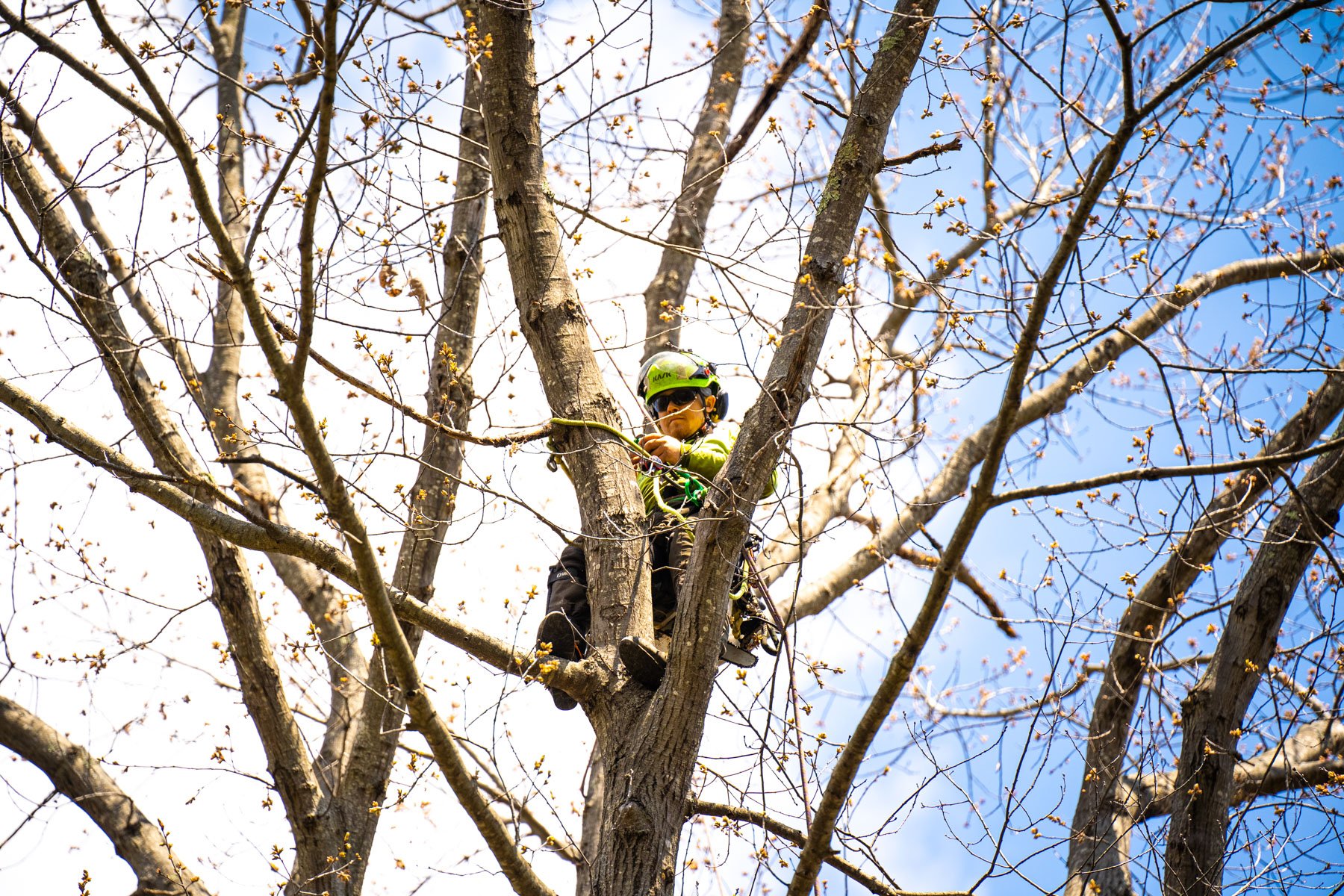
You can practice proactive care with your trees with these steps.
-
Schedule regular tree inspections to catch issues early. The earlier problems are spotted, the better.
-
Prune trees properly to improve airflow and reduce moisture buildup. This is critical with anthracnose as lack of air movement can lead to sustained leaf wetness.
-
Remove fallen leaves and debris, which can harbor fungal spores. Sanitation habits are important to prevent spreading the disease. Pruning with unclean tools can also spread anthracnose.
-
Make sure that you’re practicing proper watering. Do not overwater and make sure it’s reaching the root zone. If you have a sprinkler system, reduce the contact any spray zones may have with plant foliage. You don’t need to be watering the leaves.
-
Invest in plant health care treatments to strengthen your trees over time.
Healthy trees are better equipped to resist disease - and recover quicker when problems do arise.
FAQs About Anthracnose Disease
Before we wrap up, let’s answer a few FAQs about anthracnose.
Is anthracnose the same as a tree canker?
No, while both anthracnose and tree cankers are caused by fungi, they are not the same thing. However, anthracnose can lead to cankers.
What are the most common signs of anthracnose?
Irregular brown spots on leaves are the most common symptom of anthracnose. Leaf curling and distortion and premature drop can also occur.
What should I do if I think my tree has anthracnose?
Any time that you think your tree might have a disease, it’s worth talking to a tree care professional.
When is anthracnose considered a serious issue?
Anthracnose is generally considered serious when the tree is under great stress after repeated infections. This might show up as dead branches, trunk cankers, and progressive canopy thinning.
What is the most effective way to treat anthracnose?
Often, anthracnose can be managed with healthy cultural practices. Proper pruning that improves airflow to the canopy plays a huge role in reducing the wetness of leaves and preventing anthracnose from spreading. If you have a tree with repeated issues, anthracnose fungicides might also be used.
When to Get Professional Plant Health Care in Southern NH, Northeastern MA, and Southern ME
The key to protecting your landscape is understanding exactly what you’re dealing with. That’s why if you’re noticing anything unusual with your trees, it’s worth bringing in a pro.
They can help you make a proper diagnosis and determine the next best steps.
At Seacoast Tree Care, we help homeowners across Southern New Hampshire, Northeastern Massachusetts, and Southern Maine diagnose and manage tree health issues with confidence.
Whether you’re dealing with a suspected disease or just want peace of mind, our team can evaluate your trees and make valuable recommendations.
Ready to get expert answers about your trees? Request your consultation today and let’s make sure your landscape stays healthy and safe.
Images Sources: anthracnose on beech leaf, anthracnose on oak leaf, anthracnose on flowering dogwood, tree recovering from anthracnose